Why Inspection Drones Are Revolutionizing the Marine Industry
KZ
The Rise of Inspection Drones in the Marine Industry
The marine industry is experiencing a transformative shift with the integration of inspection drones. These unmanned aerial vehicles (UAVs) are not only enhancing operational efficiency but also significantly improving safety standards. By providing a comprehensive and real-time view of marine environments, drones are becoming indispensable tools for maritime professionals.
With the advent of modern technology, the marine industry has always sought ways to improve inspection processes. Traditional methods, often time-consuming and labor-intensive, are being replaced by drones that offer speed and precision. This shift is crucial in a sector where timely and accurate data can prevent costly delays and ensure the safety of vessels and crew.

Advantages of Drone Inspections
Drones offer a myriad of advantages over traditional inspection methods. One of the primary benefits is their ability to access hard-to-reach areas. Inspecting the hull of a ship or the underside of an oil rig can be challenging and dangerous. Drones eliminate these risks by providing a bird's-eye view without putting human lives in danger.
Another advantage is the reduction in inspection time. A task that might take a human inspector several hours, or even days, can often be completed by a drone in a fraction of the time. This efficiency not only saves money but also minimizes downtime, allowing marine operations to continue without significant interruptions.
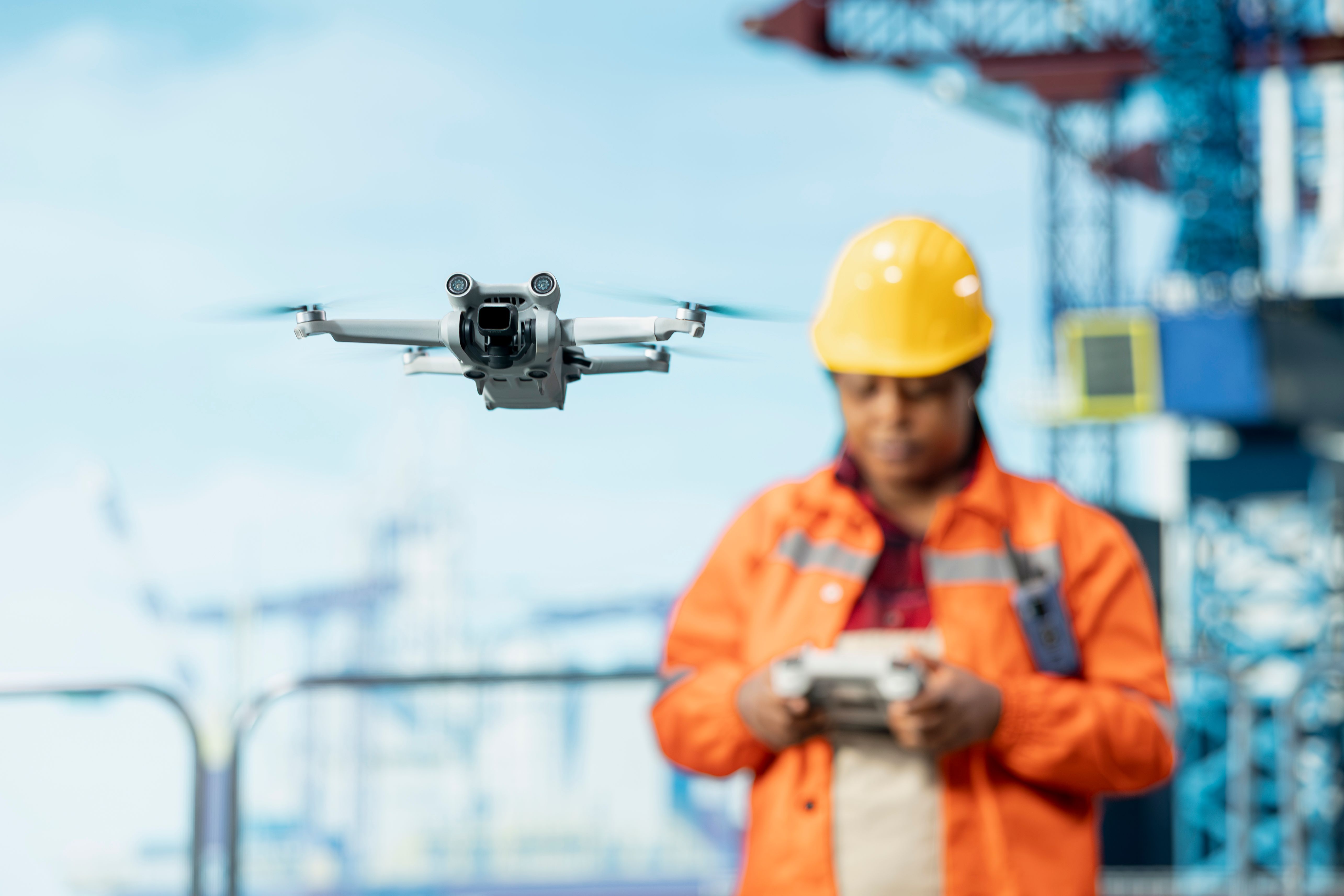
Improving Safety and Compliance
Safety in the marine industry is paramount. Drones enhance safety by reducing the need for manual inspections in hazardous conditions. For instance, inspecting a vessel during a storm can be perilous for humans, but drones can perform the task safely and efficiently.
Moreover, drones help ensure compliance with international maritime regulations. By capturing high-resolution images and videos, drones provide evidence of adherence to safety and environmental standards. This visual documentation is invaluable for audits and inspections by regulatory bodies.

Cost-Effectiveness and Environmental Impact
The cost-effectiveness of drones is another compelling reason for their growing adoption in the marine industry. Traditional inspection methods often involve significant expenses related to manpower, equipment, and extended downtimes. Drones, on the other hand, require minimal operational costs and can be deployed rapidly.
In addition to cost savings, drones have a lower environmental impact. They are typically battery-operated and produce zero emissions during operation, aligning with the industry's shift towards sustainable practices. Their ability to quickly assess environmental conditions can also aid in preventing ecological damage.
Challenges and Future Prospects
Despite their advantages, the integration of drones in the marine industry is not without challenges. Issues such as data management, privacy concerns, and regulatory compliance need to be addressed. As technology advances, these challenges are likely to be mitigated, paving the way for even broader adoption.
The future of drones in the marine industry looks promising. As UAV technology continues to evolve, we can expect even more sophisticated drones capable of performing complex inspections. This evolution will undoubtedly contribute to safer, more efficient, and environmentally friendly maritime operations.