Why Coastal Inspections Benefit from Drone Technology: A Comprehensive Guide
KZ
Introduction to Coastal Inspections
Coastal areas are dynamic environments that require regular monitoring and inspection to ensure their sustainability and safety. Traditionally, these inspections have been time-consuming, labor-intensive, and often dangerous. However, with the advent of drone technology, coastal inspections have become more efficient, safer, and detailed.

Advantages of Using Drones
Drones provide a bird's eye view of vast coastal areas, allowing inspectors to cover more ground in less time. This aerial perspective is invaluable for identifying erosion, vegetation changes, and potential hazards that might not be visible from the ground. Additionally, drones can capture high-resolution images and videos, offering detailed documentation that can be analyzed further.
Efficiency and Speed
One of the most significant benefits of using drones for coastal inspections is the speed at which they can gather data. What used to take days or even weeks can now be accomplished in a matter of hours. This rapid data collection allows for quicker decision-making and more timely interventions when necessary.
Safety Benefits
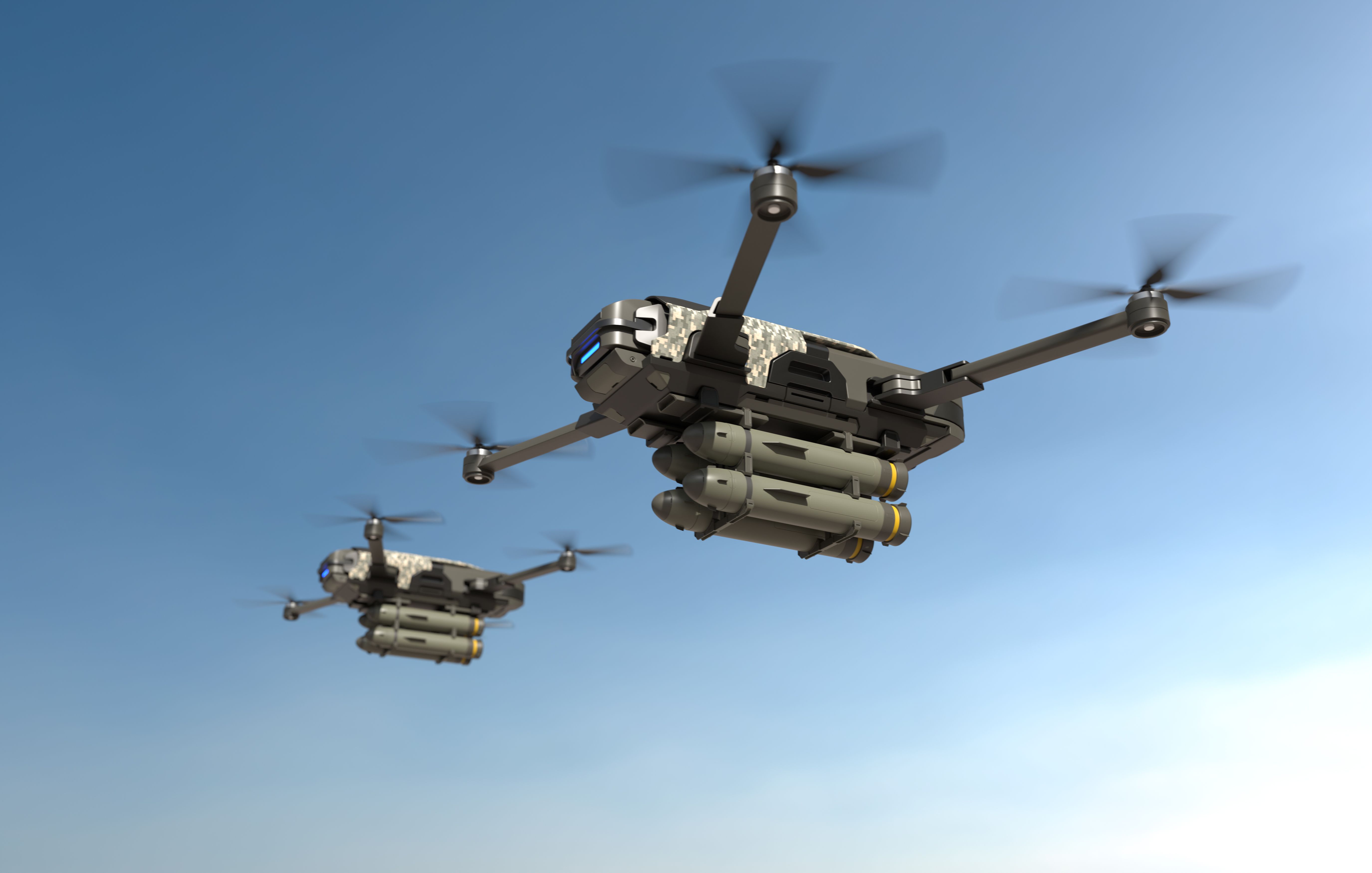
Coastal inspections often involve navigating challenging terrains and unpredictable weather conditions. Drones eliminate the need for inspectors to physically enter dangerous areas, thereby reducing the risk of accidents and injuries. This makes the inspection process not only faster but also much safer for personnel.
Cost-Effectiveness
While the initial investment in drone technology can be significant, the long-term savings are substantial. Drones reduce the need for large teams, expensive equipment, and prolonged fieldwork, ultimately lowering operational costs. Additionally, the data collected by drones can be used to create predictive models, helping to prevent costly damage in the future.
Data Accuracy and Quality
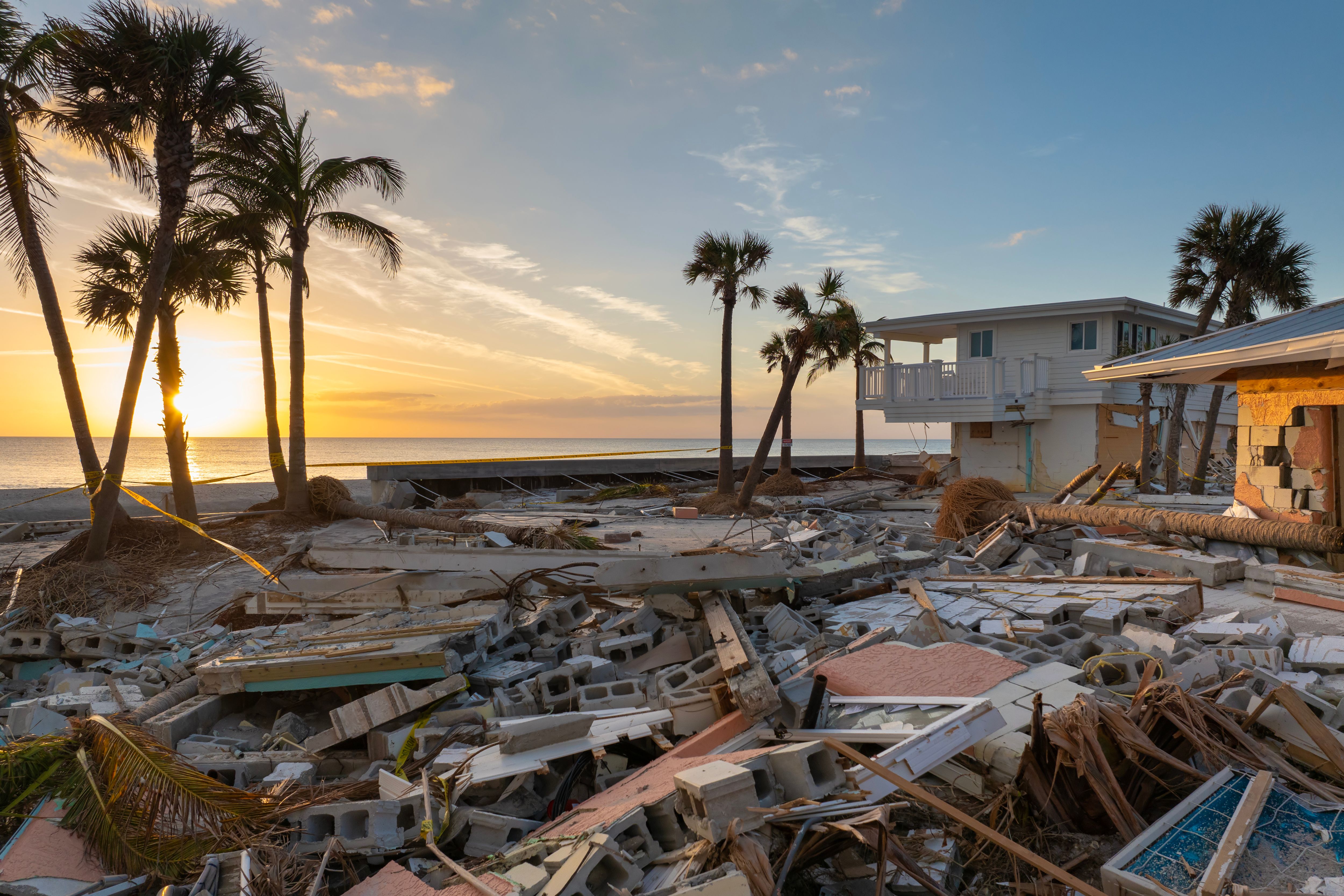
Drones are equipped with advanced sensors and cameras that provide precise and high-quality data. This accuracy is crucial for detecting subtle changes in the coastal environment, such as erosion patterns or shifts in sandbanks. The high-resolution imagery also enhances the ability to monitor wildlife and vegetation health.
Environmental Impact
Traditional inspection methods can sometimes disturb the natural environment. In contrast, drones are less intrusive, minimizing their impact on wildlife and ecosystems. This makes drone technology a more environmentally friendly option for ongoing coastal monitoring.
Conclusion
Incorporating drone technology into coastal inspections represents a significant advancement in how we monitor and protect these vital areas. With benefits ranging from increased safety and efficiency to cost savings and environmental consideration, drones are proving to be an indispensable tool in modern coastal management.