The Impact of Weather on Drone Operations: What You Need to Know
KZ
The Role of Weather in Drone Operations
Weather plays a crucial role in the success and safety of drone operations. Understanding how different weather conditions can affect drone performance is essential for both hobbyists and professionals. From strong winds to precipitation, each element presents unique challenges that operators must navigate to ensure a smooth flight.
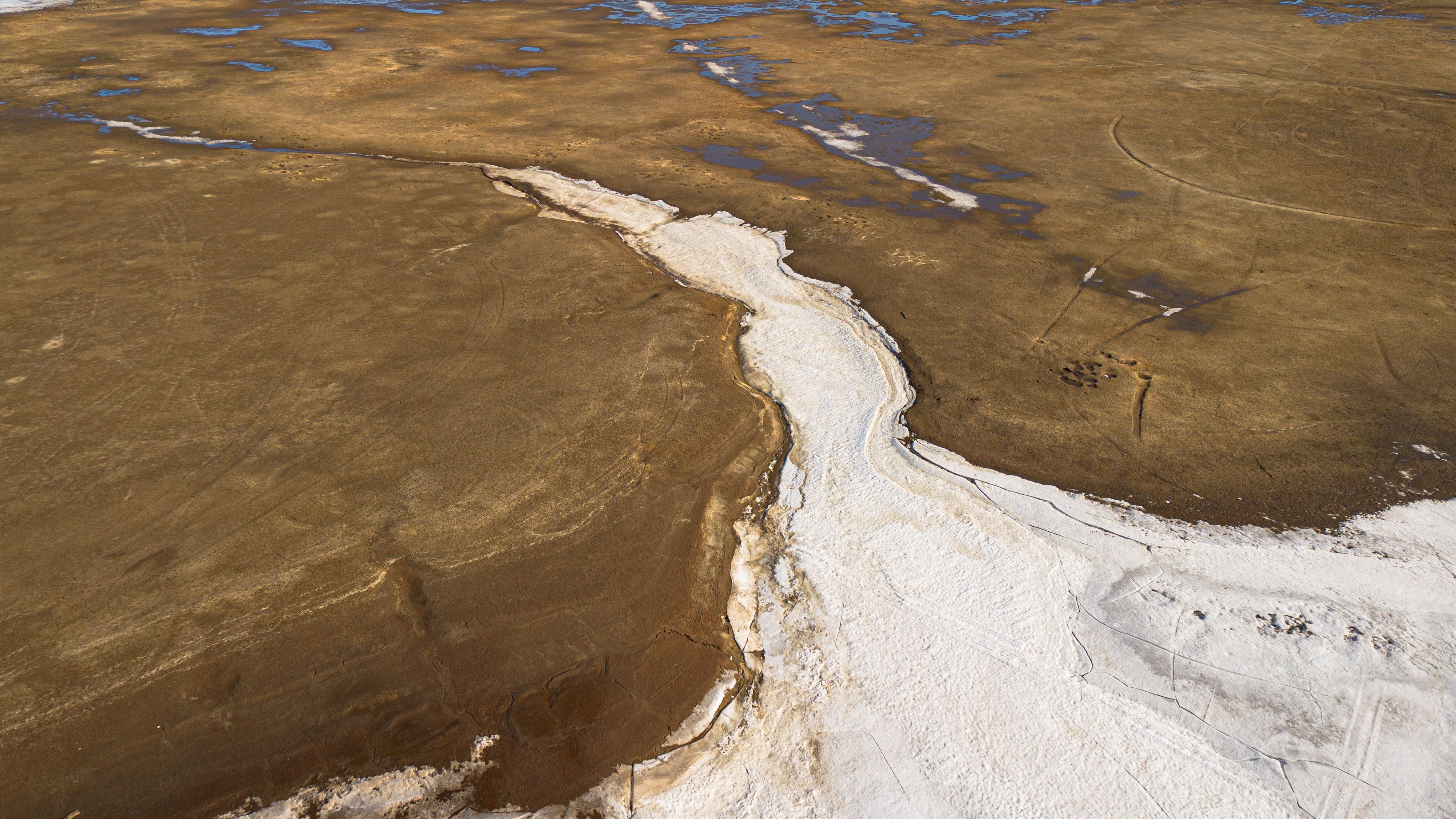
Wind: The Invisible Challenge
Wind is one of the most significant factors influencing drone flight. Strong winds can destabilize drones, making it hard to maintain control. Most consumer drones can handle winds up to 20 mph, but anything stronger can lead to erratic movements or even crashes. Operators should always check wind speeds before launching and consider flying lower to reduce wind impact.
Precipitation: Rain and Snow
Rain and snow are generally unfavorable for drone operations. Water can damage sensitive components, and precipitation can obscure camera lenses, reducing visibility. Waterproof drones are an option, but they come with their own limitations and costs. It's usually best to wait for clear skies before flying.
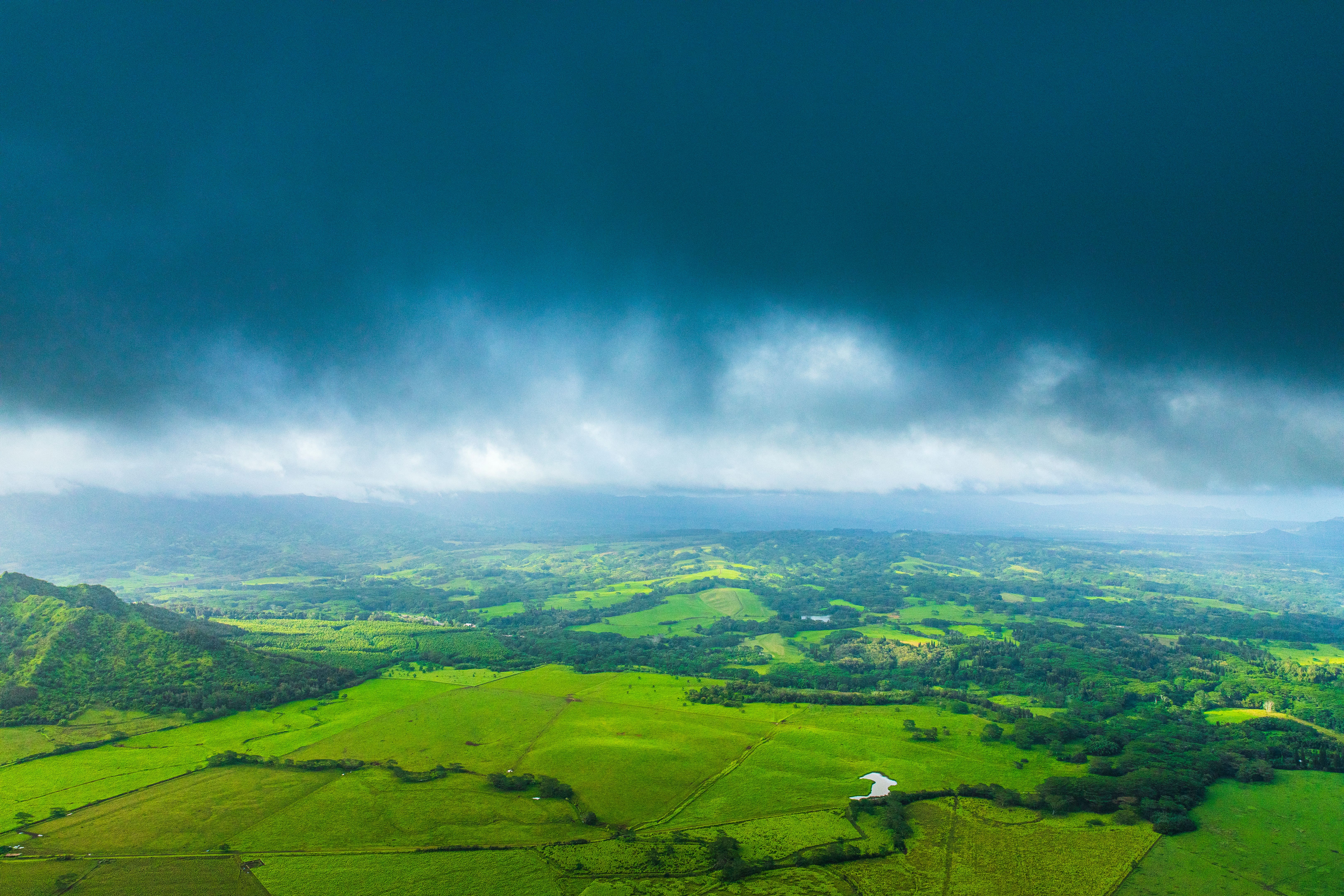
Temperature: Hot and Cold Extremes
Temperature extremes also pose challenges. Cold weather can affect battery performance, reducing flight time significantly. On the other hand, extreme heat can cause overheating, which might lead to mechanical failures. Always ensure batteries are fully charged and consider having spares on hand when operating in extreme temperatures.
Weather Monitoring and Planning
Planning is the key to successful drone operations. Utilizing weather apps and forecasts can help operators choose the best times to fly. Some apps are specifically designed for drone operators, providing real-time data on wind speed, temperature, and precipitation.
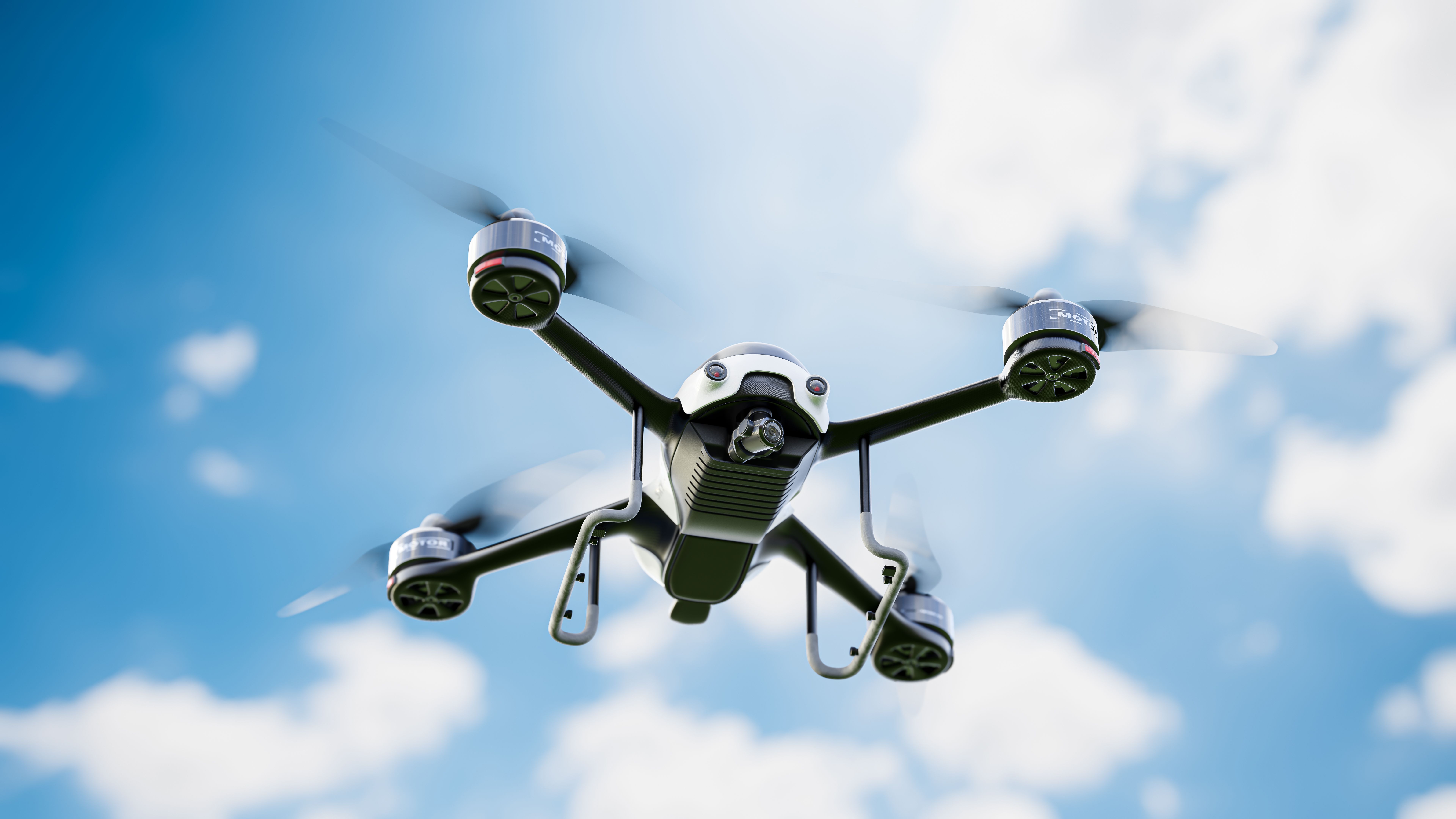
The Importance of Pre-Flight Checks
Conducting thorough pre-flight checks is a must. Ensure all drone systems are functioning correctly and that you have a clear understanding of the current weather conditions. Check for any weather alerts and be ready to adjust plans if conditions change unexpectedly.
Legal and Safety Considerations
Operating drones in adverse weather not only risks the drone itself but can also have legal implications. Many jurisdictions have regulations regarding drone flights in specific weather conditions. Always stay informed about local laws and guidelines to avoid penalties.
Conclusion: The Key to Successful Drone Flights
Understanding and respecting weather conditions is essential for safe and effective drone operations. By planning ahead, using the right tools, and being aware of the limitations of both the drone and the environment, operators can mitigate risks and enhance the flying experience.