Preparing for Coastal Inspections: The Role of Drones in Environmental Protection
KZ
Introduction to Coastal Inspections
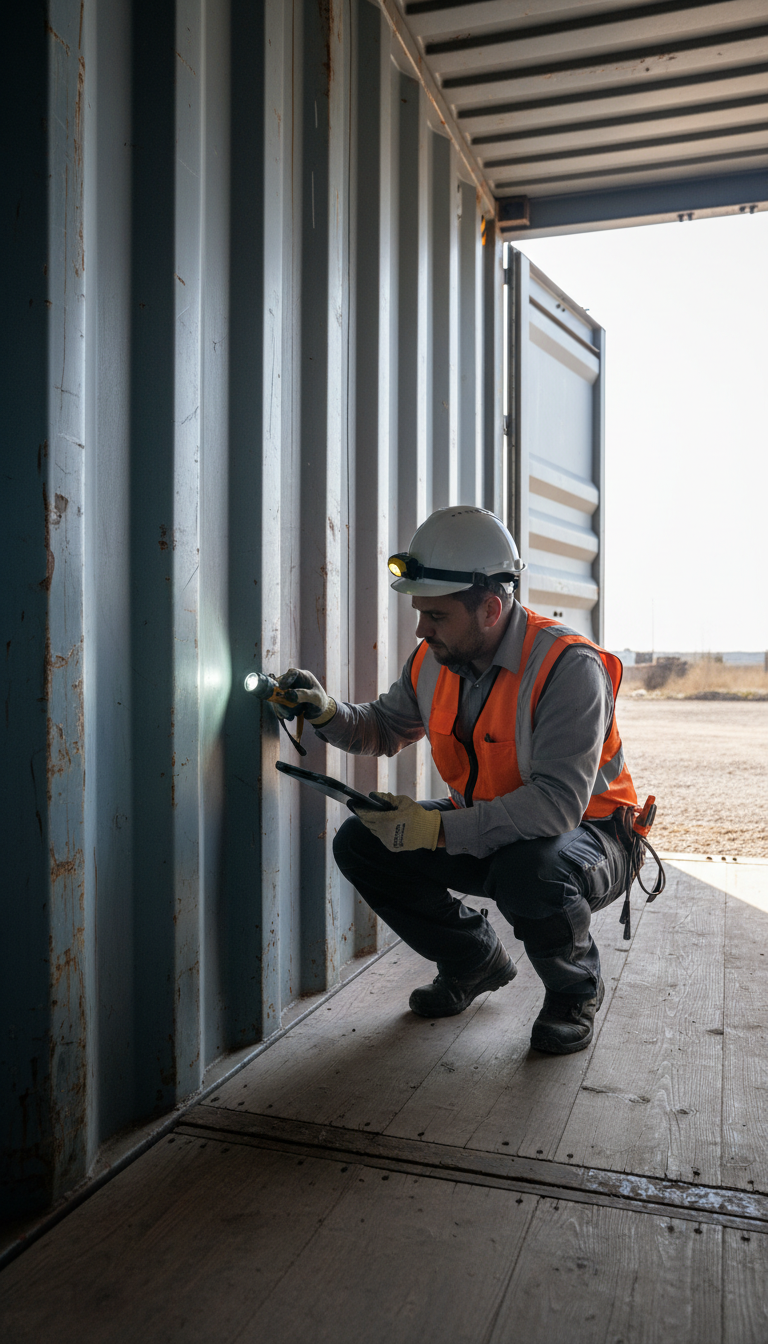
Coastal inspections are crucial for maintaining the health and sustainability of our shorelines. These inspections help in identifying environmental threats, assessing erosion, and ensuring regulatory compliance. Traditional methods can be labor-intensive and limited in scope. However, the integration of drone technology is transforming these inspections, making them more efficient and comprehensive.
The Advantages of Using Drones
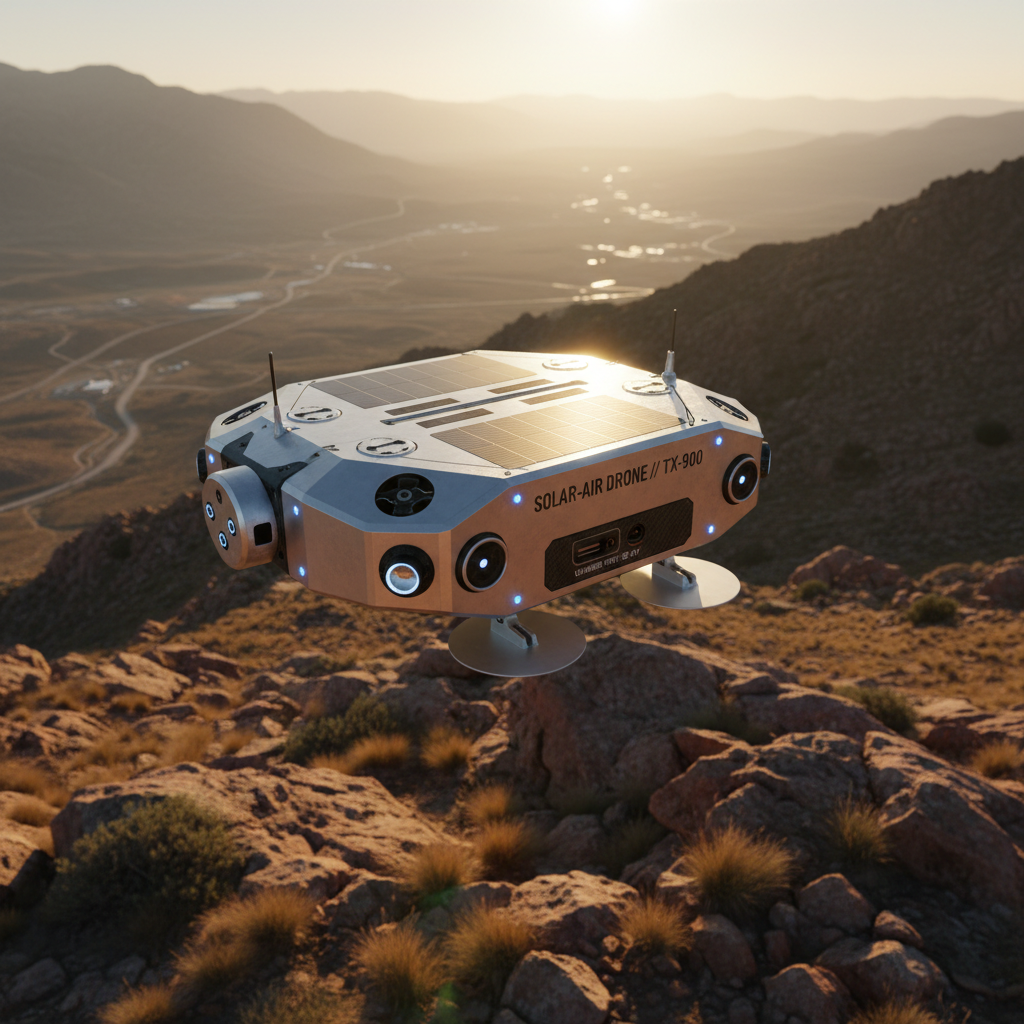
Drones offer several advantages over traditional inspection methods. They provide a bird's-eye view of vast coastal areas, which can be challenging to cover on foot or by boat. This aerial perspective allows for the quick identification of potential issues such as erosion, pollution, and habitat changes.
Moreover, drones equipped with high-resolution cameras and sensors can capture detailed images and data. This data can be used to create accurate maps and models of the coastline, facilitating better decision-making and planning for environmental protection.
Cost-Effectiveness and Efficiency
One of the significant benefits of using drones is their cost-effectiveness. Traditional methods often require a significant investment in manpower and equipment. Drones, on the other hand, can cover large areas in a short amount of time with minimal personnel. This efficiency translates into reduced costs and faster data collection.
- Reduced manpower requirements
- Faster data acquisition
- Lower operational costs
Environmental Monitoring and Protection
Drones play a vital role in environmental monitoring by providing real-time data and imagery. This information is crucial for detecting changes in coastal ecosystems and identifying areas at risk. Drones can monitor wildlife populations, track invasive species, and assess the impact of human activities on the environment.

Additionally, drones can access remote or hazardous areas that may be unsafe for human inspectors. This capability ensures that no part of the coastline is left unchecked, enhancing the overall protection of these valuable ecosystems.
Data Analysis and Reporting
The data collected by drones is not only comprehensive but also easy to analyze. Advanced software tools can process and interpret the data, providing insights that were previously unattainable. These insights are essential for creating effective conservation strategies and ensuring compliance with environmental regulations.
- Data collection
- Data processing
- Insight generation
Challenges and Future Prospects
While drones offer numerous benefits, there are challenges to their widespread adoption. Regulatory restrictions, privacy concerns, and the need for skilled operators are some of the hurdles that need to be addressed. However, with ongoing advancements in technology and regulatory frameworks, these challenges are likely to diminish over time.

The future of coastal inspections is promising with the continued integration of drones. As technology evolves, drones will become even more sophisticated, offering greater accuracy and efficiency in environmental protection efforts. By embracing this technology, we can better safeguard our coastlines for future generations.