Navigating New York's Drone Regulations: A Guide for Businesses
KZ
Understanding the Basics of Drone Regulations in New York
As businesses explore the potential of drones for tasks ranging from aerial photography to delivery services, understanding the regulatory landscape becomes crucial. New York, with its bustling cities and diverse landscapes, has specific rules governing drone usage. These regulations ensure safety and privacy, which businesses must navigate carefully.
The Federal Aviation Administration (FAA) governs drone operations nationally, but New York has additional state and local laws. To operate legally, businesses must comply with both sets of regulations. This guide will help you understand the key aspects of flying drones in New York.
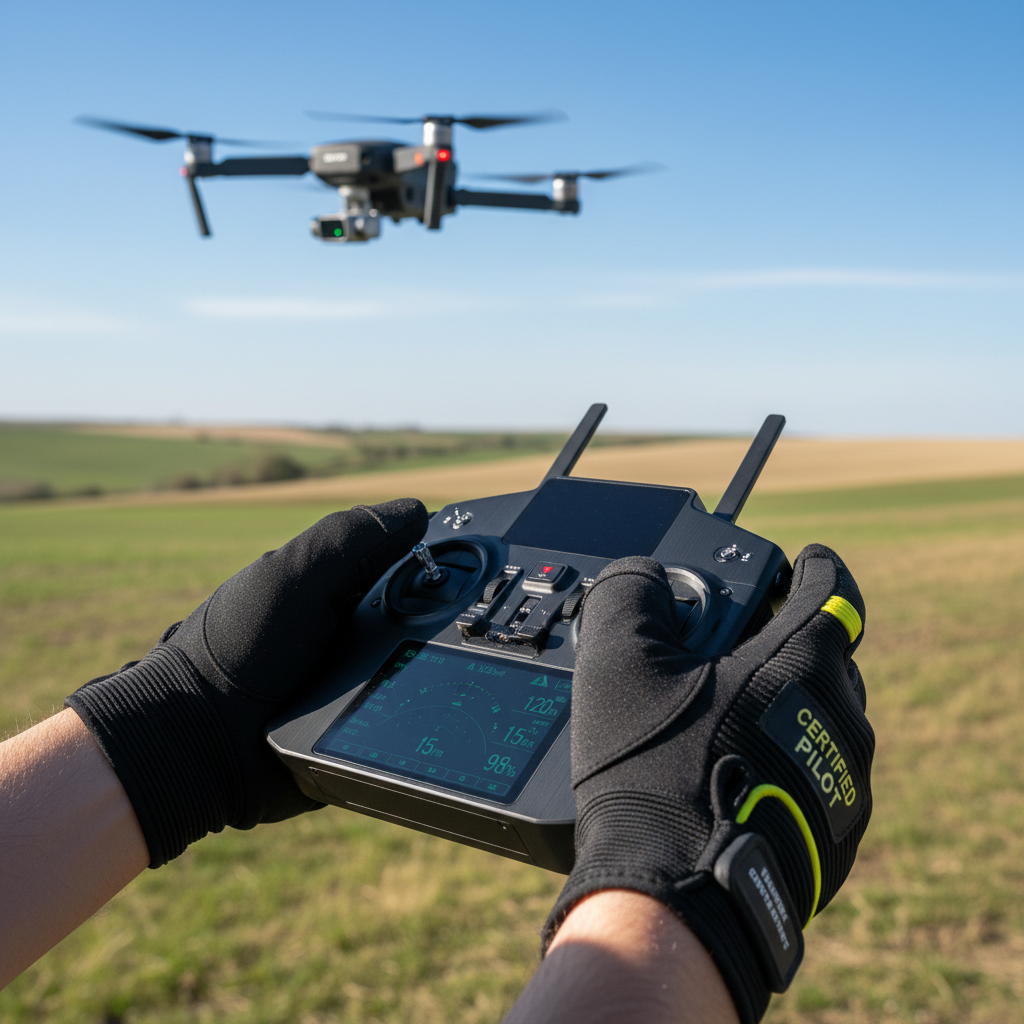
The FAA's Role in Drone Regulation
The FAA's Part 107 rules apply to all commercial drone operations. These rules require business operators to obtain a Remote Pilot Certificate. The certification involves passing a knowledge test covering airspace regulations, weather, and drone operations. Staying updated with any changes in FAA regulations is essential for ongoing compliance.
Furthermore, drones must be registered with the FAA if they weigh between 0.55 and 55 pounds. This registration is crucial for accountability and safety in commercial drone usage.
New York State-Specific Regulations
In addition to federal regulations, New York imposes state-specific rules. One of the most significant is the restriction on flying drones in state parks without a special permit. Businesses planning operations in these areas must apply for and secure the necessary permissions from the state authorities.
Another important consideration is respecting no-fly zones, which include areas around airports and sensitive infrastructures. Utilizing apps and tools that map these zones can help businesses plan their flights efficiently.

Local Regulations and Community Guidelines
New York City has its own set of challenges regarding drone usage. Currently, it's illegal to take off or land drones within the city limits without specific permissions. Businesses must consult with local authorities to explore options and obtain waivers if necessary.
Engaging with the community and understanding neighborhood-specific rules can also prevent conflicts and ensure smooth operations. Respecting privacy and noise regulations is a part of this community engagement.
Best Practices for Businesses
To ensure compliance and safety, businesses should develop robust operational procedures. These include pre-flight checks, maintaining line-of-sight during flights, and ensuring drones are in good working condition. Training staff regularly on the latest regulations and safety protocols is also beneficial.
Investing in insurance for drone operations can safeguard businesses against potential liabilities. It's a proactive step that reflects a commitment to safety and responsibility.

Keeping Up with Evolving Regulations
The regulatory landscape for drones is continually evolving. Businesses must stay informed about changes at the federal, state, and local levels. Subscribing to industry newsletters and participating in forums can provide valuable updates and insights.
Partnering with legal experts who specialize in aviation and drone laws can also ensure that businesses remain compliant as new regulations emerge.
Conclusion
Navigating New York's drone regulations requires diligence and a proactive approach. By understanding and adhering to the rules, businesses can harness the potential of drones while ensuring safety and compliance. This not only protects the business but also builds trust with clients and the community.