Maximizing Efficiency: How Advanced Drone Services Revolutionize the Marine Industry
KZ
Introduction to Drone Technology in the Marine Industry
The marine industry has always been a cornerstone of global trade and exploration. However, the integration of advanced drone services is revolutionizing how efficiency is maximized within this sector. From surveillance to maintenance, drones are transforming traditional methods, offering innovative solutions that save both time and resources.
In recent years, the capabilities of drones have expanded significantly, making them indispensable tools in maritime operations. Their ability to quickly assess situations and provide real-time data has proven invaluable, particularly in areas where human intervention can be risky or inefficient.
Enhanced Surveillance and Monitoring
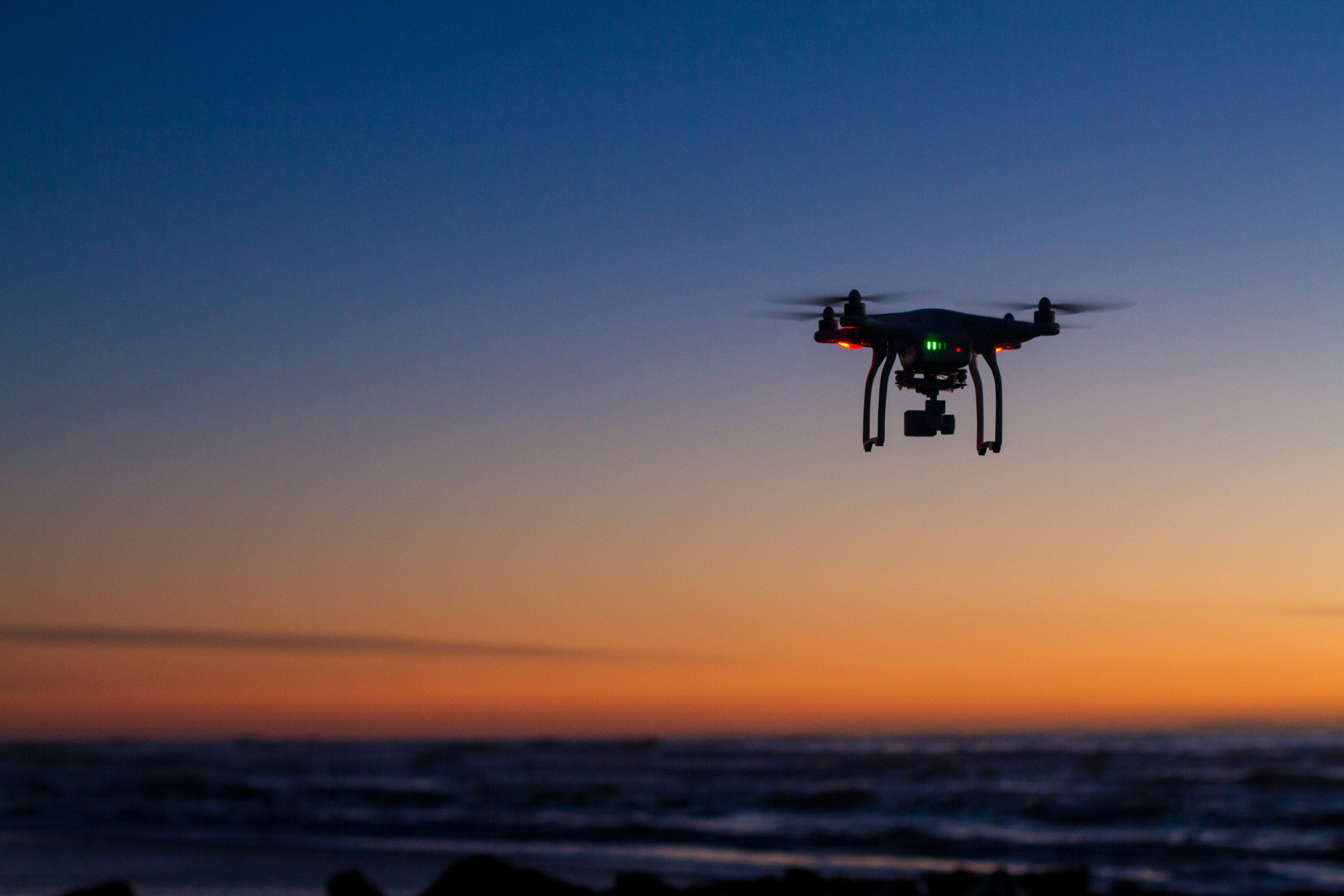
Drones equipped with high-resolution cameras and sensors provide unparalleled surveillance capabilities. They can cover vast areas of the ocean, offering a bird's-eye view that is crucial for monitoring shipping lanes, detecting illegal activities, and ensuring environmental compliance.
Moreover, drones can be deployed rapidly, making them ideal for emergency situations. Their agility allows them to navigate challenging weather conditions, ensuring that surveillance continues uninterrupted, even when traditional methods fall short.
Environmental Protection and Conservation
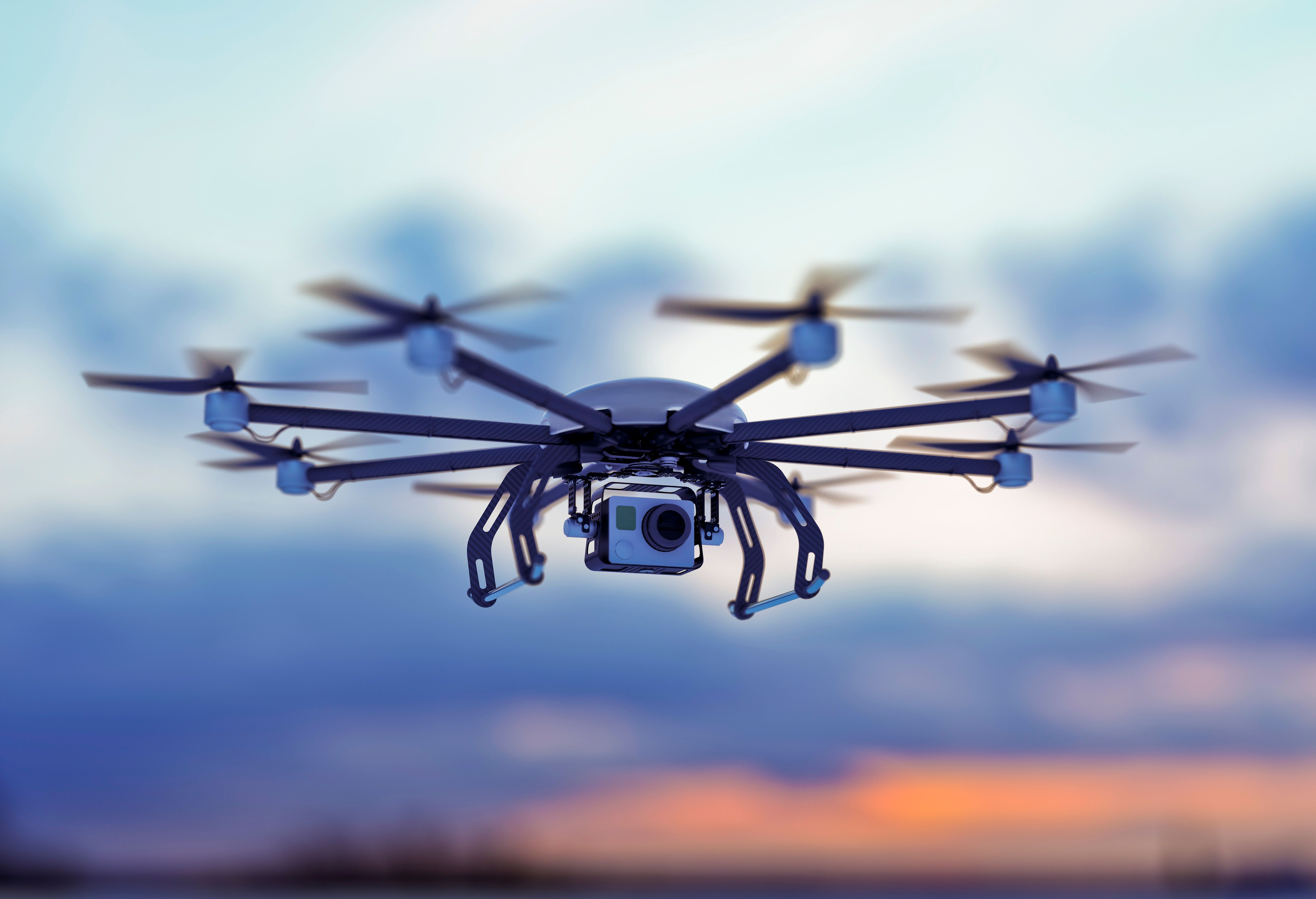
One of the most significant benefits of drone technology in the marine industry is its role in environmental protection. Drones can monitor marine life, track pollution levels, and assess the health of coral reefs. This data is vital for conservation efforts, enabling authorities to make informed decisions regarding marine preservation.
Streamlining Maintenance and Inspections
Maintenance is a critical aspect of marine operations, but it often involves significant downtime and high costs. Drones offer a solution by providing detailed inspections of ships and offshore structures. They can access hard-to-reach areas, capturing high-quality images and videos that allow for precise analysis.
This capability not only reduces the time required for inspections but also enhances safety by minimizing the need for human divers in hazardous conditions. Companies can identify potential issues before they become critical, ensuring continuous operation and reducing unexpected repair costs.

Cost Efficiency and Resource Management
Implementing drone technology in the marine industry leads to substantial cost savings. By reducing the need for manual inspections and surveillance, companies can allocate resources more effectively. This efficiency is crucial in a competitive market, where operational costs directly impact profitability.
The Future of Drones in Marine Operations
As drone technology continues to evolve, its applications within the marine industry are expected to expand further. Innovations in artificial intelligence and machine learning will enhance drones' analytical capabilities, allowing for even more precise data collection and analysis.
The integration of drones is not just a trend but a strategic move towards a more efficient and sustainable future in marine operations. Companies that embrace this technology will lead the way in innovation, setting new standards for efficiency and environmental responsibility.
In conclusion, the advanced use of drone services in the marine industry is a game-changer. From enhanced surveillance to streamlined maintenance, drones are unlocking new levels of efficiency. As technology advances, the potential for drones in maritime operations will only continue to grow, revolutionizing the industry and paving the way for a more sustainable future.