Mastering the Art of Cinematic Aerial Footage: Tips from EXUGO
KZ
Introduction to Cinematic Aerial Footage
In recent years, drone technology has transformed the way we capture video, offering breathtaking perspectives and cinematic beauty previously reserved for big-budget productions. Whether you're an aspiring filmmaker or a seasoned professional, mastering the art of aerial footage can elevate your projects to new heights. At EXUGO, we specialize in capturing stunning aerial visuals, and we're excited to share our top tips to help you create captivating content.
Understanding Your Equipment
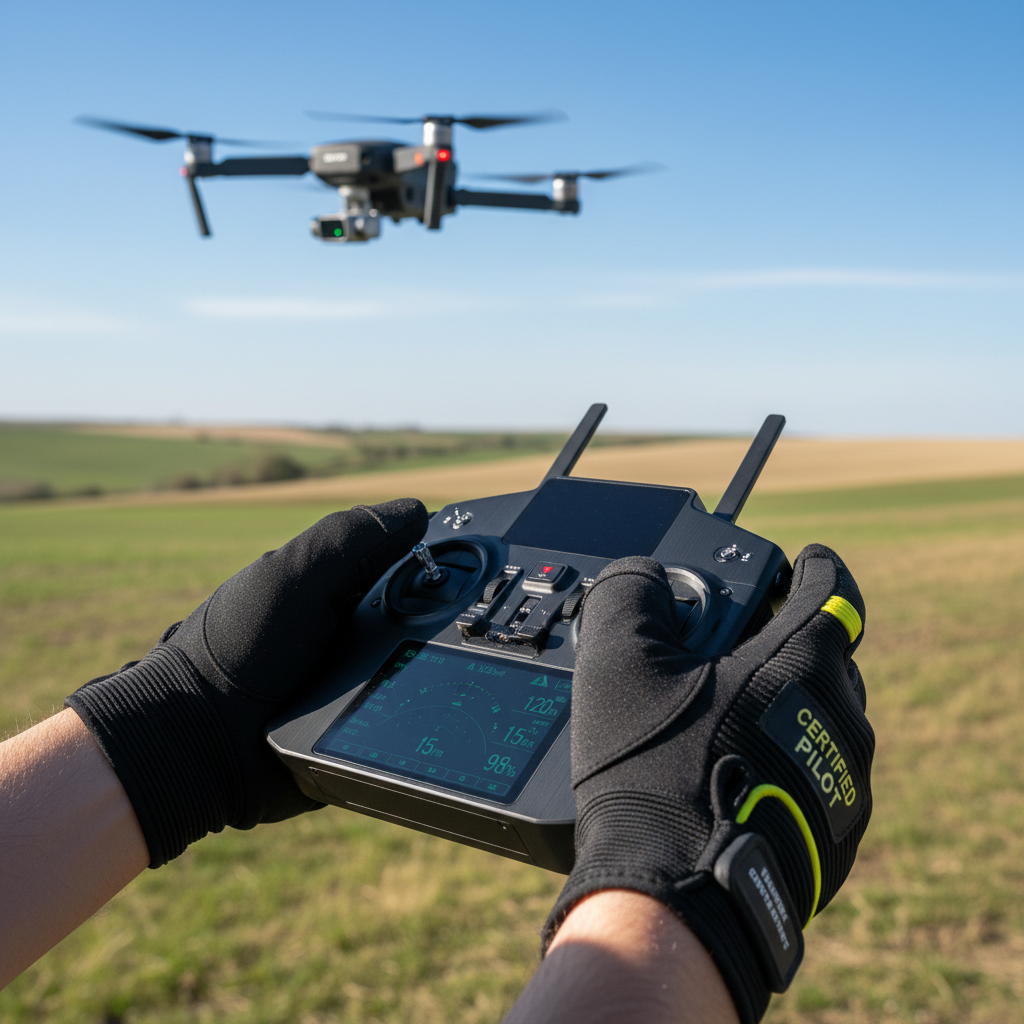
Before you take to the skies, it's essential to understand your equipment. Different drones come with varied capabilities, including flight time, camera quality, and stabilization features. Ensure you know your drone's specifications and how to operate it safely. Practice flying in open areas to gain confidence and control. Familiarity with your equipment is the first step in capturing flawless footage.
Camera Settings
Camera settings play a crucial role in determining the quality of your footage. Adjusting settings like ISO, shutter speed, and white balance can dramatically impact the final result. For a cinematic look, shoot in 24fps and use a neutral density (ND) filter to achieve motion blur similar to traditional film. Experimentation with these settings will help you find the right balance for your unique style.
Planning Your Shots
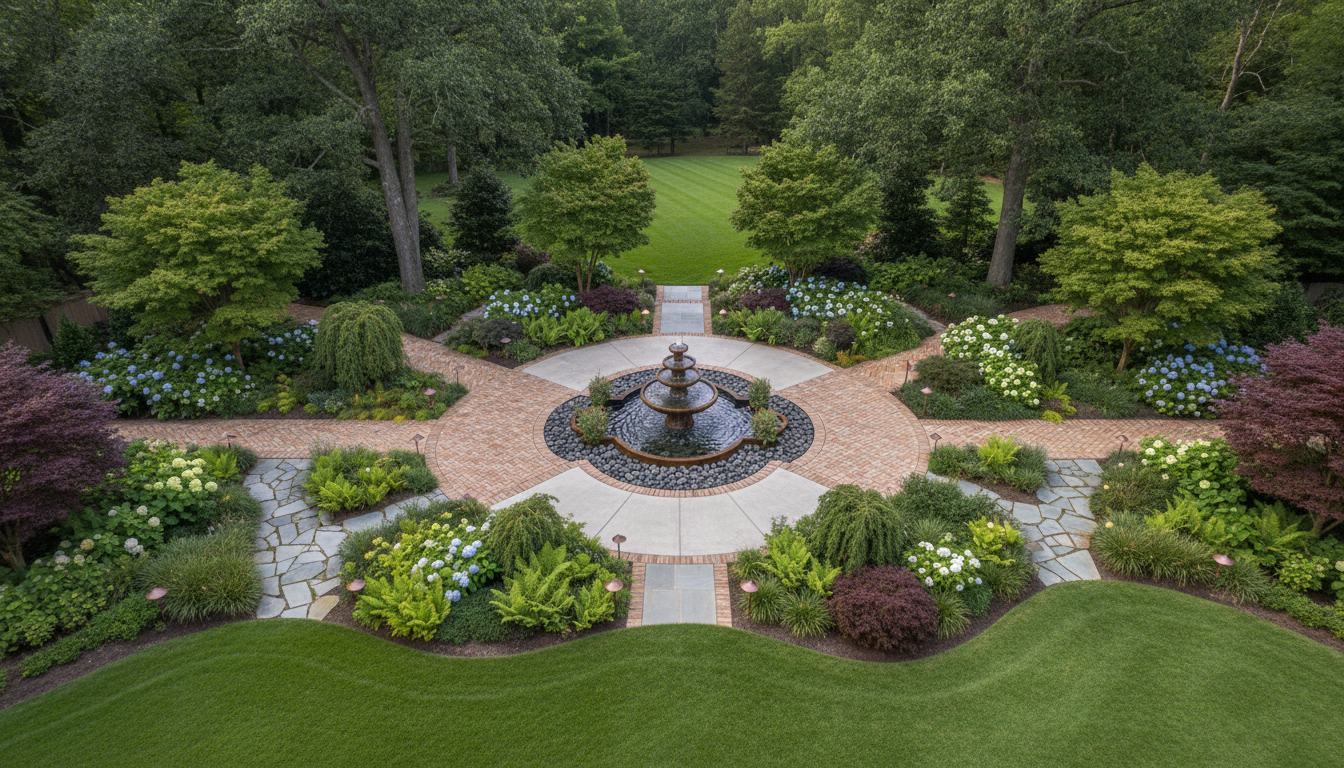
Effective planning is key to achieving cinematic aerial shots. Scout your location beforehand and map out potential flight paths. Consider the time of day, as lighting conditions can greatly affect the mood and quality of your footage. Golden hour—shortly after sunrise or before sunset—offers soft, warm light that enhances visual appeal.
Storyboarding
Creating a storyboard can guide your filming process. Outline the shots you need to tell your story and how each scene will transition. This preparation ensures you capture all necessary footage and helps maintain a cohesive narrative flow. A well-thought-out storyboard can make the editing process smoother and more efficient.
Mastering Flight Techniques
Once you're comfortable with your equipment, focus on honing your flight techniques. Smooth, controlled movements are crucial for cinematic footage. Practice maneuvers like panning, tilting, and orbiting to add dynamic elements to your shots. Use the drone's gimbal to maintain a stable horizon and avoid sudden jerky motions.
Composition and Framing
Composition is vital in creating visually compelling footage. Consider the rule of thirds to position your subject, and look for leading lines or natural frames to guide the viewer's eye. Experiment with different angles and heights to add depth and interest to your shots.
Post-Production Tips
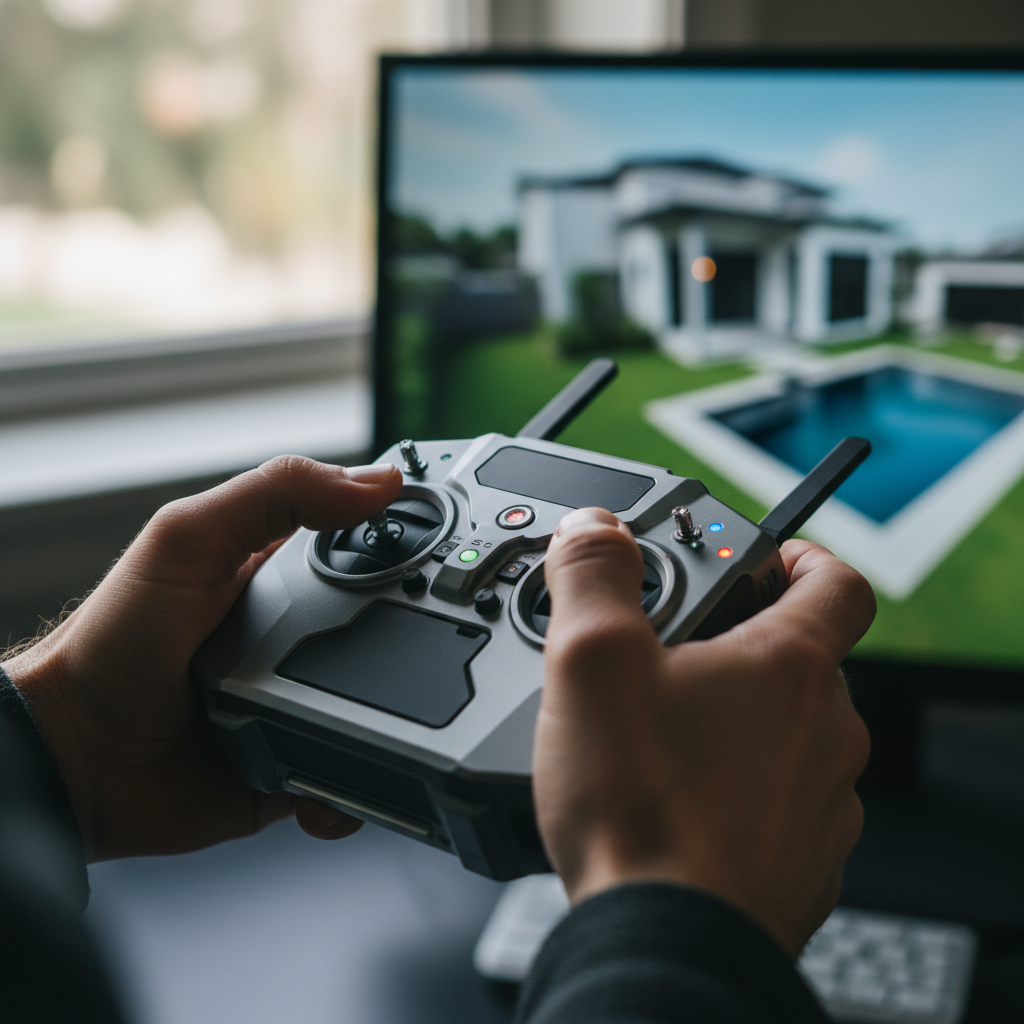
Even the best raw footage can benefit from post-production enhancements. Use editing software to color grade your footage, ensuring a consistent and polished look throughout your video. Stabilization tools can help smooth out any unwanted shakiness, while sound design can add an extra layer of immersion.
Final Thoughts
Mastering cinematic aerial footage requires practice, patience, and creativity. By understanding your equipment, planning your shots, and refining your techniques, you can create stunning visuals that captivate audiences. At EXUGO, we're passionate about pushing the boundaries of aerial cinematography and hope these tips inspire you to elevate your projects.