Marine Drone Innovations: What's Next for Coastal Exploration
KZ
Introduction to Marine Drones
Marine drones, also known as unmanned surface or underwater vehicles, have become integral tools in coastal exploration. These innovative devices are transforming the way we understand and interact with marine environments, offering a unique perspective that was once limited to traditional methods.
Their ability to gather data from challenging environments allows scientists and researchers to uncover insights on marine life, oceanography, and underwater landscapes. As technology continues to evolve, the potential for marine drones is expanding rapidly.

Advanced Sensors and AI Integration
One of the most exciting advancements in marine drones is the integration of advanced sensors and artificial intelligence. These enhancements allow drones to process complex data in real-time, making them more efficient and effective in their missions.
AI algorithms can help in analyzing patterns, detecting anomalies, and even predicting environmental changes. This technology not only aids in research but also enhances the safety and efficiency of maritime operations.
Real-Time Data Collection
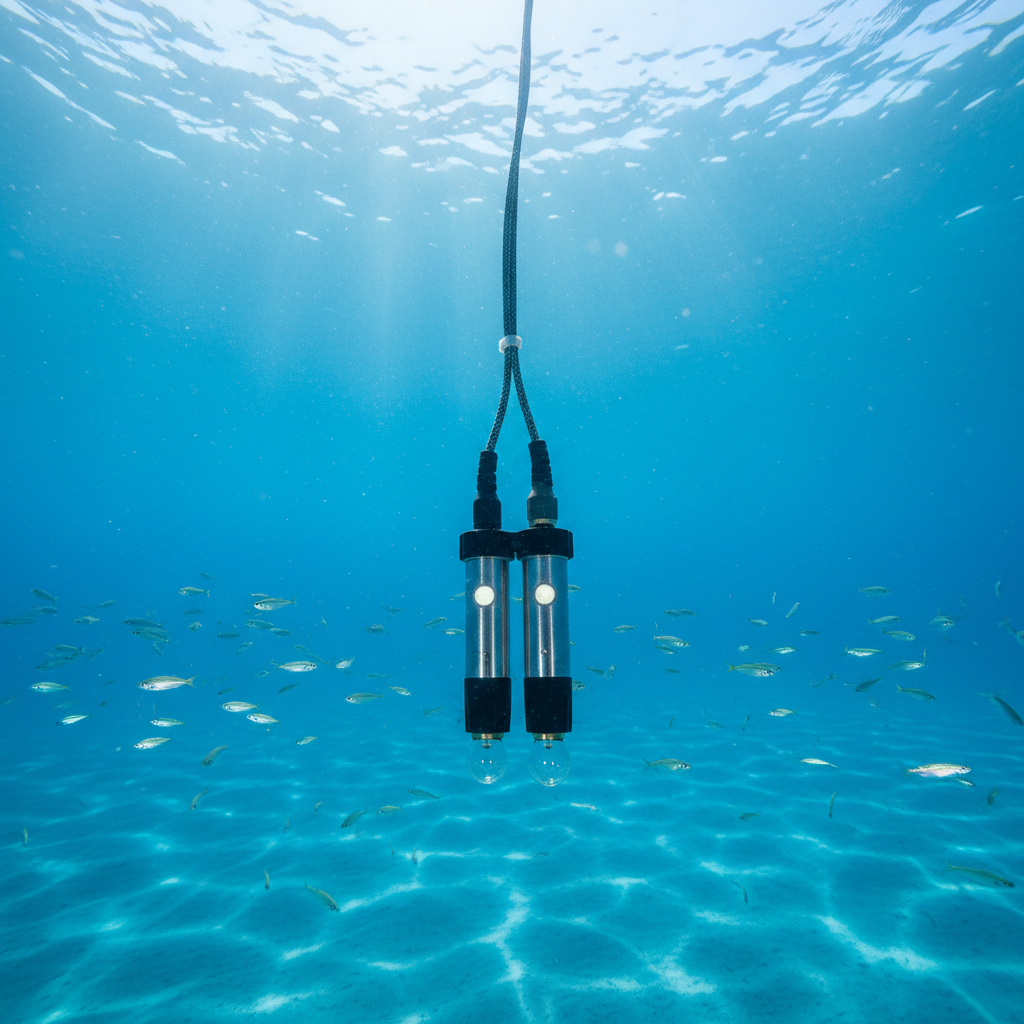
Real-time data collection is a significant advantage of modern marine drones. Equipped with state-of-the-art sensors, they can gather information on ocean temperature, salinity, and currents, delivering immediate insights to researchers onshore.
Environmental Monitoring and Conservation
Marine drones play a critical role in environmental monitoring and conservation efforts. They provide a non-invasive way to study marine habitats and track changes over time, offering valuable data for conservationists.
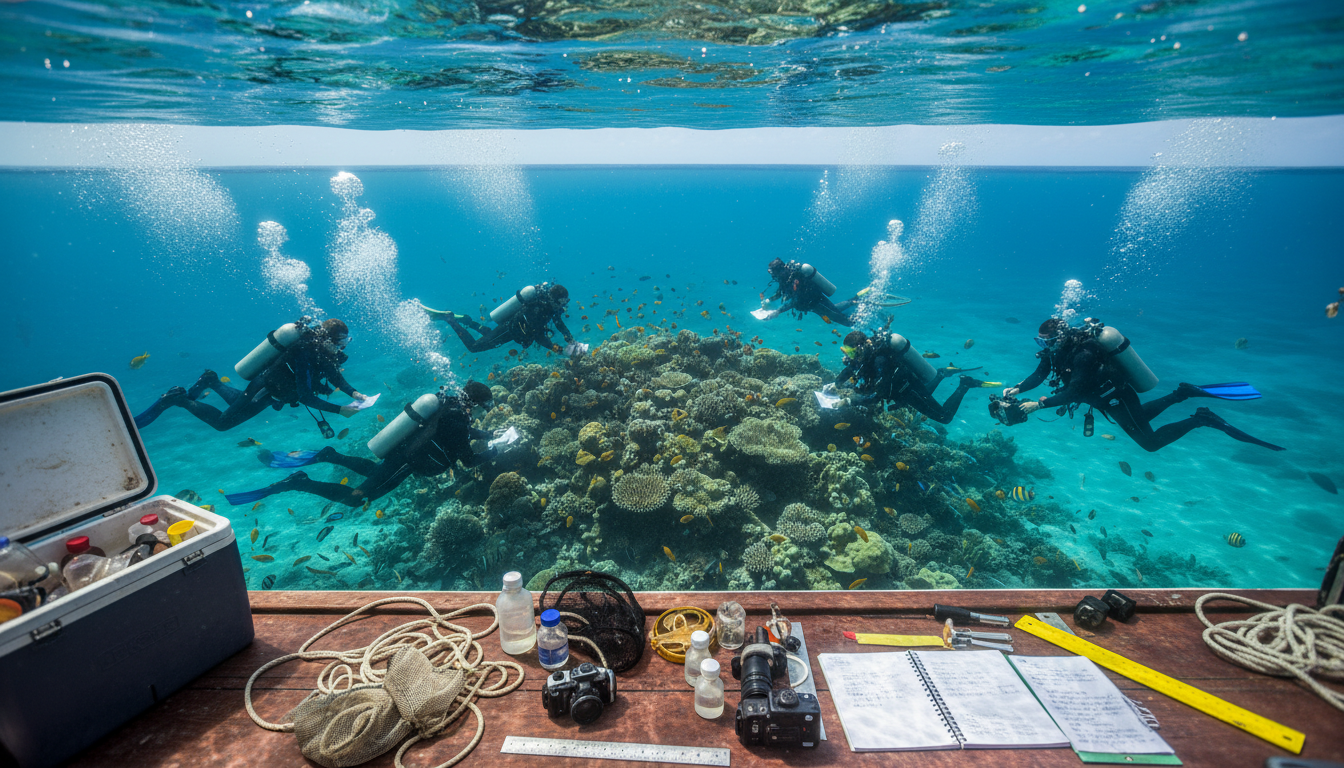
By monitoring coral reefs, tracking endangered species, and assessing the impact of human activities, these drones contribute to preserving our oceans for future generations.
Challenges in Marine Conservation
Despite their potential, marine drones face challenges such as harsh environmental conditions and the need for robust power sources. Addressing these issues is essential for maximizing their effectiveness in conservation efforts.
Commercial and Industrial Applications
Beyond research and conservation, marine drones are being utilized in various commercial and industrial sectors. Industries such as oil and gas, shipping, and aquaculture are leveraging these technologies to improve operations and reduce costs.
For instance, drones can inspect underwater pipelines, monitor fish farms, and even assist in search and rescue operations, showcasing their versatility and value.
Future Prospects
The future of marine drones in coastal exploration looks promising. As technology continues to advance, we can expect even more sophisticated drones with increased autonomy, better energy efficiency, and enhanced data processing capabilities.
Looking ahead, the integration of renewable energy sources, such as solar and wave power, may further extend the operational range and duration of these innovative devices.