How Drones Revolutionize Coastal and Marine Inspections
KZ
Introduction to Drone Technology in Marine Inspections
The advent of drone technology has significantly transformed various industries, and the field of coastal and marine inspections is no exception. Drones offer unprecedented capabilities, providing detailed insights and data that were once difficult to obtain. By utilizing drones, marine industries can conduct inspections more efficiently, safely, and cost-effectively.
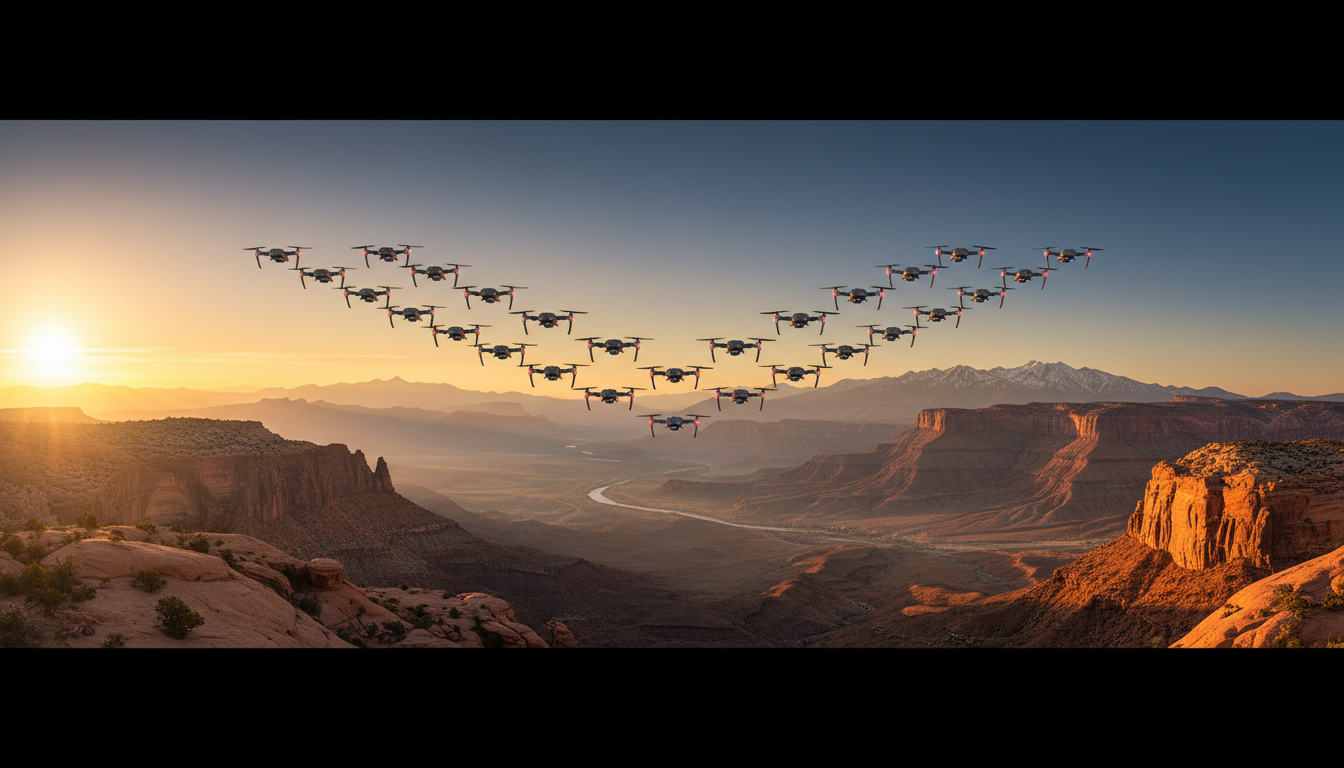
Enhancing Safety and Efficiency
One of the primary benefits of using drones in marine inspections is the enhancement of safety. Traditional methods often require human inspectors to enter potentially hazardous environments. Drones eliminate this need by performing inspections remotely, minimizing risk to personnel. This is particularly beneficial in harsh weather conditions where human intervention could be dangerous.
Faster Data Collection
Drones are equipped with advanced sensors and cameras that allow for rapid data collection. They can cover large areas in a short amount of time, enabling quicker decision-making processes. This efficiency not only saves time but also reduces the costs associated with lengthy inspection procedures.
Improved Data Accuracy and Analysis
With high-resolution imaging and precise geolocation capabilities, drones provide highly accurate and detailed data. This level of precision is crucial for identifying issues such as structural damage or erosion in coastal areas. The data collected can be analyzed using advanced software, providing actionable insights for maintenance and planning.
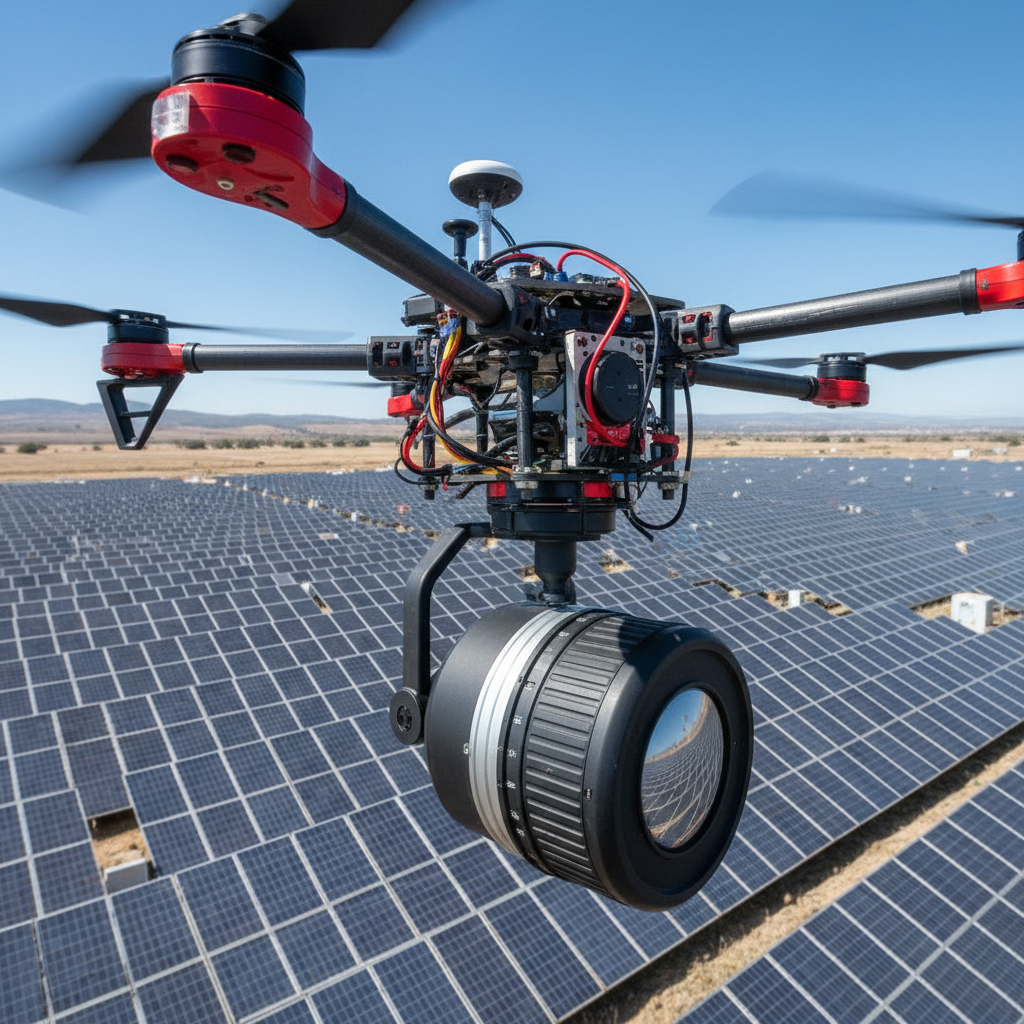
3D Mapping and Modeling
Drones can create 3D maps and models of coastal and marine environments. These models are invaluable for understanding the topography and changes in the landscape over time. This capability aids in environmental monitoring and helps in devising strategies for conservation and resource management.
Cost-Effectiveness and Accessibility
Deploying drones for inspections is significantly more cost-effective than traditional methods. The reduction in manpower and time translates into substantial savings for companies. Moreover, drones are relatively easy to deploy and can access areas that are difficult or impossible for humans to reach.
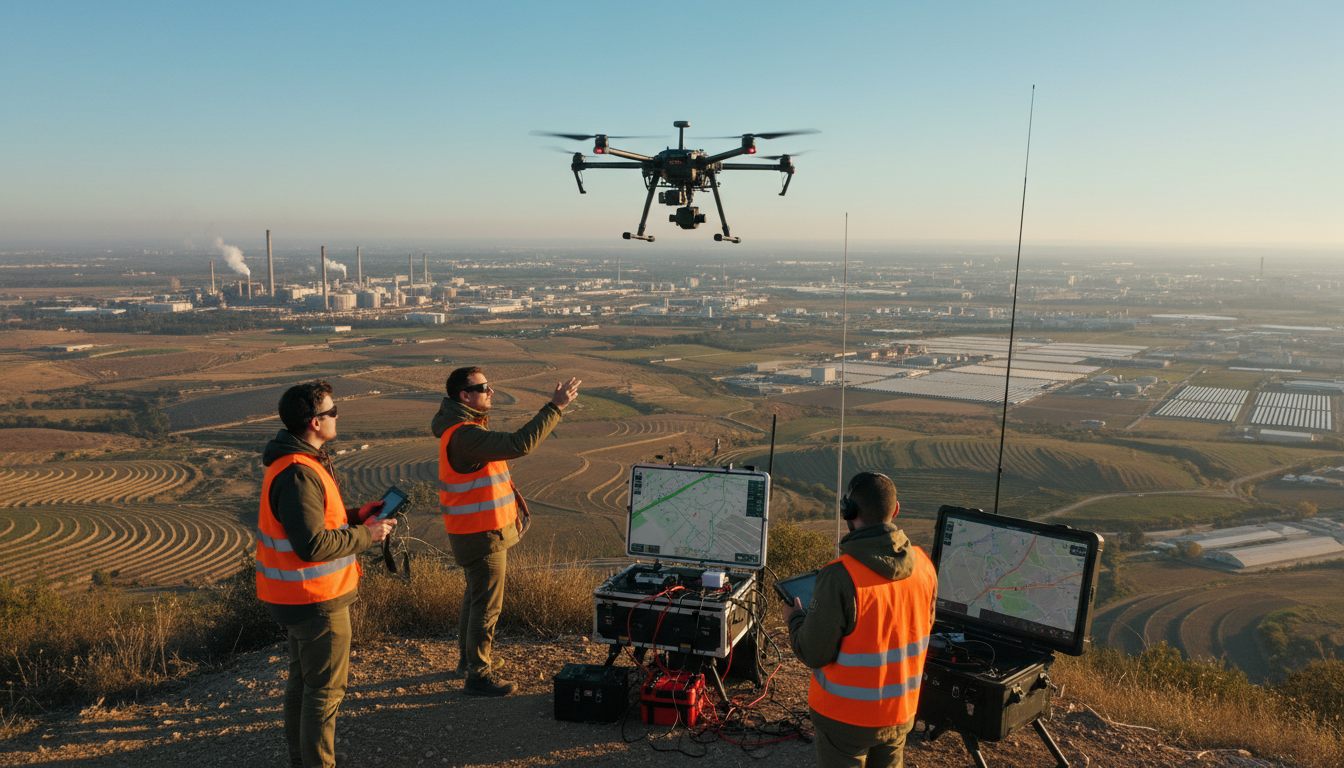
Innovative Applications
The versatility of drones allows for a wide range of applications in the marine sector. From monitoring marine wildlife to assessing the impact of climate change on coastlines, drones are proving to be indispensable tools. Their ability to provide real-time data is crucial for timely interventions and policy-making.
Future Prospects of Drones in Marine Inspections
As drone technology continues to evolve, we can expect even more advanced features and applications. Innovations such as autonomous drones and AI-driven data analysis promise to further revolutionize coastal and marine inspections. These advancements will enhance our ability to protect and preserve marine environments, ensuring sustainable use of ocean resources.
In conclusion, drones are not only revolutionizing the way we conduct coastal and marine inspections but are also paving the way for future technological advancements. By improving safety, efficiency, and data accuracy, drones are an essential part of modern marine operations.