FAQs About Drone Regulations on the East Coast
KZ
Understanding Drone Regulations
Flying drones on the East Coast can be an exhilarating experience, offering breathtaking views and unique perspectives. However, it’s essential to be aware of the regulations governing drone use. Compliance with these rules ensures safety for everyone and helps avoid legal issues.
Federal Regulations
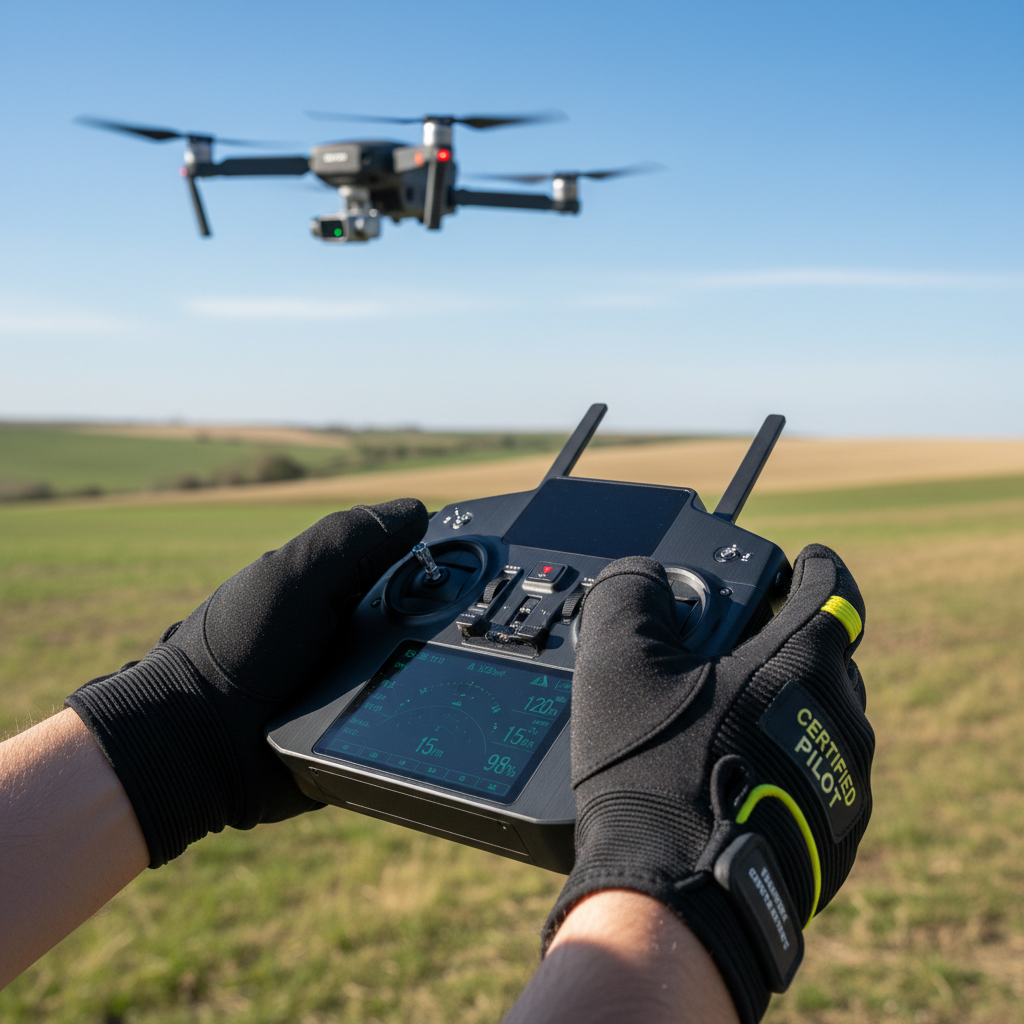
The Federal Aviation Administration (FAA) is the primary authority overseeing drone operations in the United States. All drone pilots must adhere to FAA guidelines, which include registering drones that weigh between 0.55 and 55 pounds. Additionally, pilots must follow the Part 107 rules if flying for commercial purposes.
For recreational use, the FAA requires pilots to fly below 400 feet, keep drones within the visual line of sight, and avoid flying near airports. Understanding these rules is crucial for safe and legal drone operation.
State-Specific Rules
Each state on the East Coast may have specific regulations in addition to federal laws. For instance, some states have restrictions on flying over private property without permission, while others may have rules about flying in state parks. It’s vital to research the local laws in the state where you plan to fly.
City and Municipal Regulations
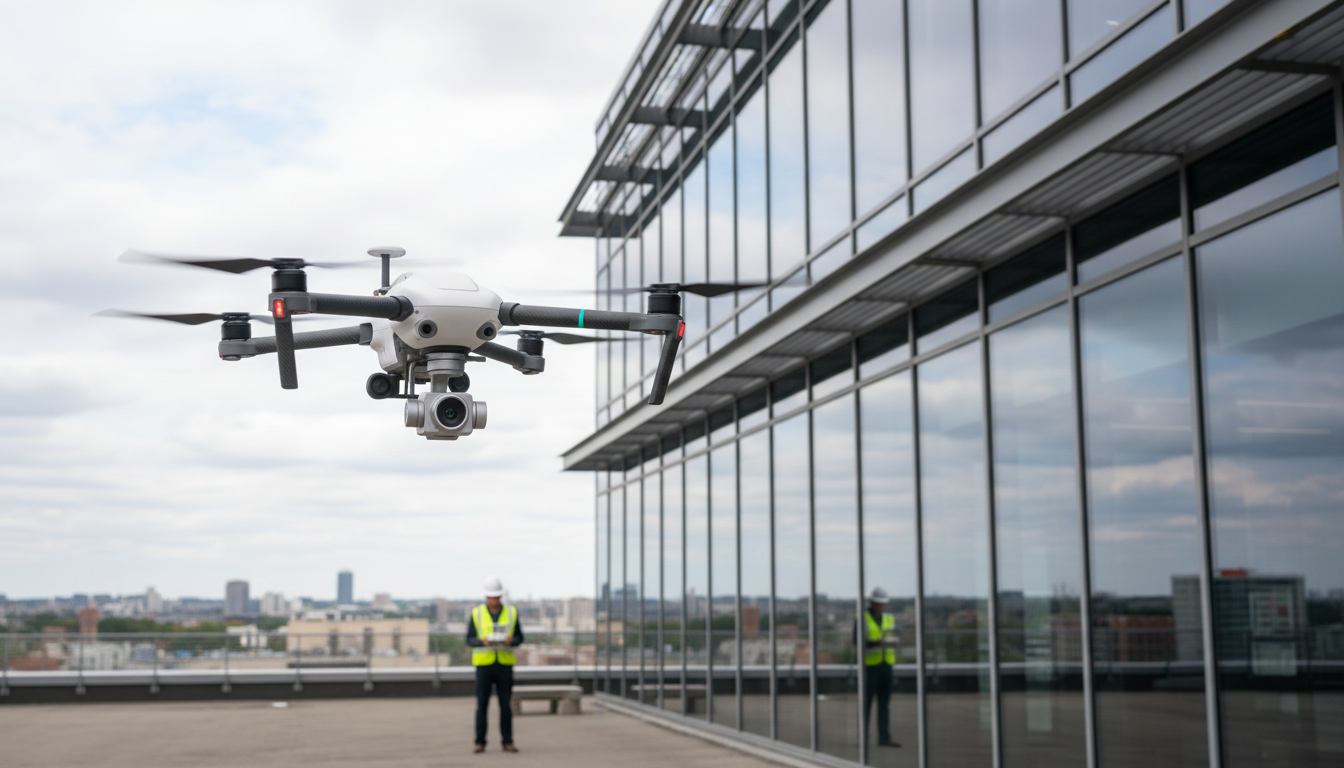
Beyond federal and state regulations, individual cities and municipalities may have their own rules for drone operations. These can include restrictions on flying over crowded areas or during certain events. Checking with local authorities before flying in urban areas is always a good practice.
Registration and Licensing
Registering your drone with the FAA is a straightforward process, typically requiring basic information about the drone and a small fee. For commercial operations, pilots must obtain a Remote Pilot Certificate by passing the FAA’s aeronautical knowledge test.

Privacy Concerns
Privacy is an important consideration when flying drones. Pilots should avoid capturing images or videos of individuals without their consent. Moreover, respecting privacy can prevent potential legal issues and foster goodwill among the community.
Penalties for Non-Compliance
Failure to adhere to drone regulations can result in significant penalties, including fines and potential legal action. The FAA takes violations seriously, and ignorance of the law is not an acceptable defense. Staying informed about the latest regulations is the responsibility of every drone operator.
By understanding and following these guidelines, drone enthusiasts can enjoy their hobby while ensuring safety and compliance. Whether for recreation or commercial use, being informed is the best way to maximize the experience and minimize risks.