Exploring the Depths: How Subsea Drone Inspections Revolutionize Marine Projects
KZ
The Rise of Subsea Drones in Marine Exploration
The advent of subsea drone technology is transforming how marine projects are conducted, offering unprecedented access to the ocean's most remote areas. These drones, known as Remotely Operated Vehicles (ROVs), are revolutionizing industries by providing efficient, safe, and cost-effective solutions for underwater inspections.
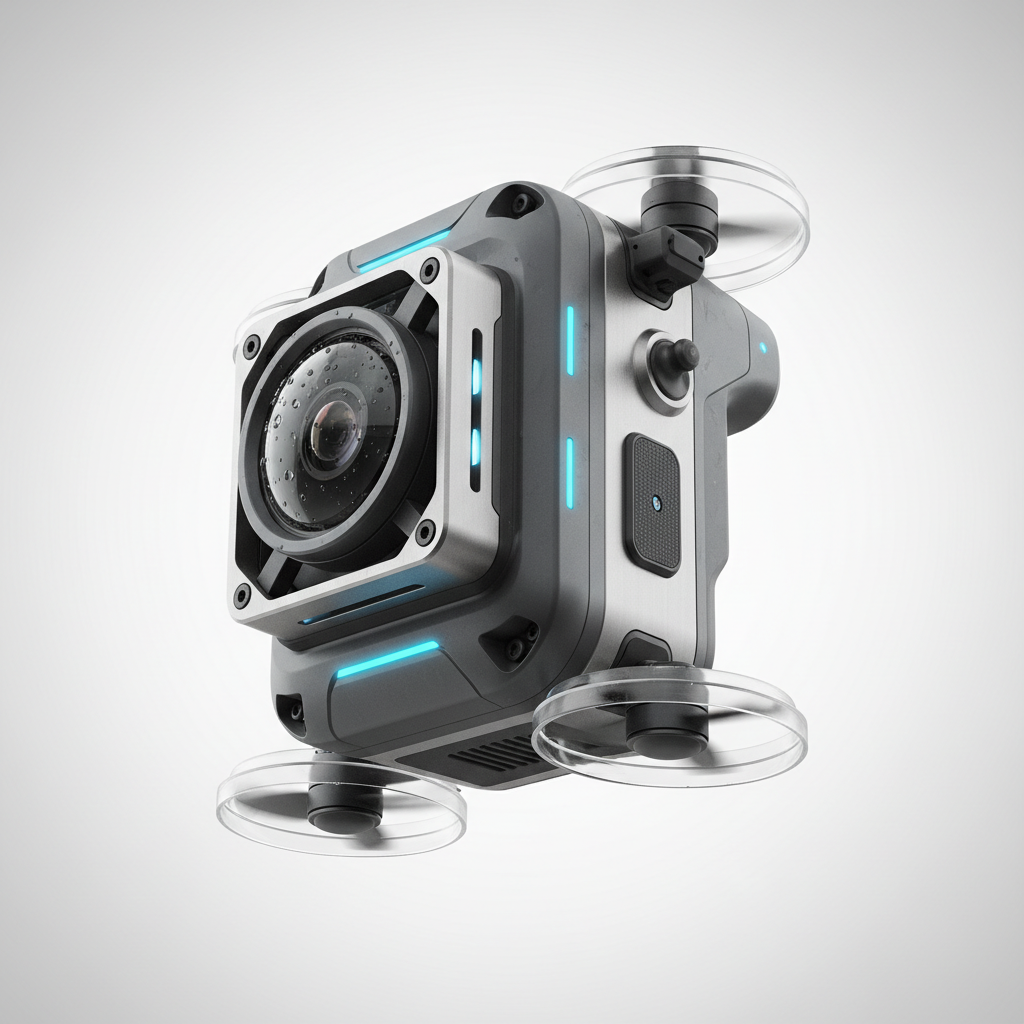
Subsea drones are equipped with advanced sensors and cameras, allowing them to capture high-resolution images and data. This capability is particularly beneficial for industries such as oil and gas, environmental monitoring, and underwater construction, as it enables precise inspections without the need for divers.
Benefits of Subsea Drone Inspections
One of the most significant advantages of using subsea drones is the enhanced safety they provide. By eliminating the need for human divers in hazardous environments, these drones minimize the risk of accidents and injuries. Additionally, subsea drones can operate in conditions that are too dangerous or inaccessible for humans, such as deep-sea locations or areas with strong currents.
Another key benefit is the cost-effectiveness of subsea drone inspections. Traditional methods often require extensive planning and resource allocation, leading to high operational costs. In contrast, drones can be deployed quickly and efficiently, reducing both time and expenses associated with marine projects.
Applications Across Industries
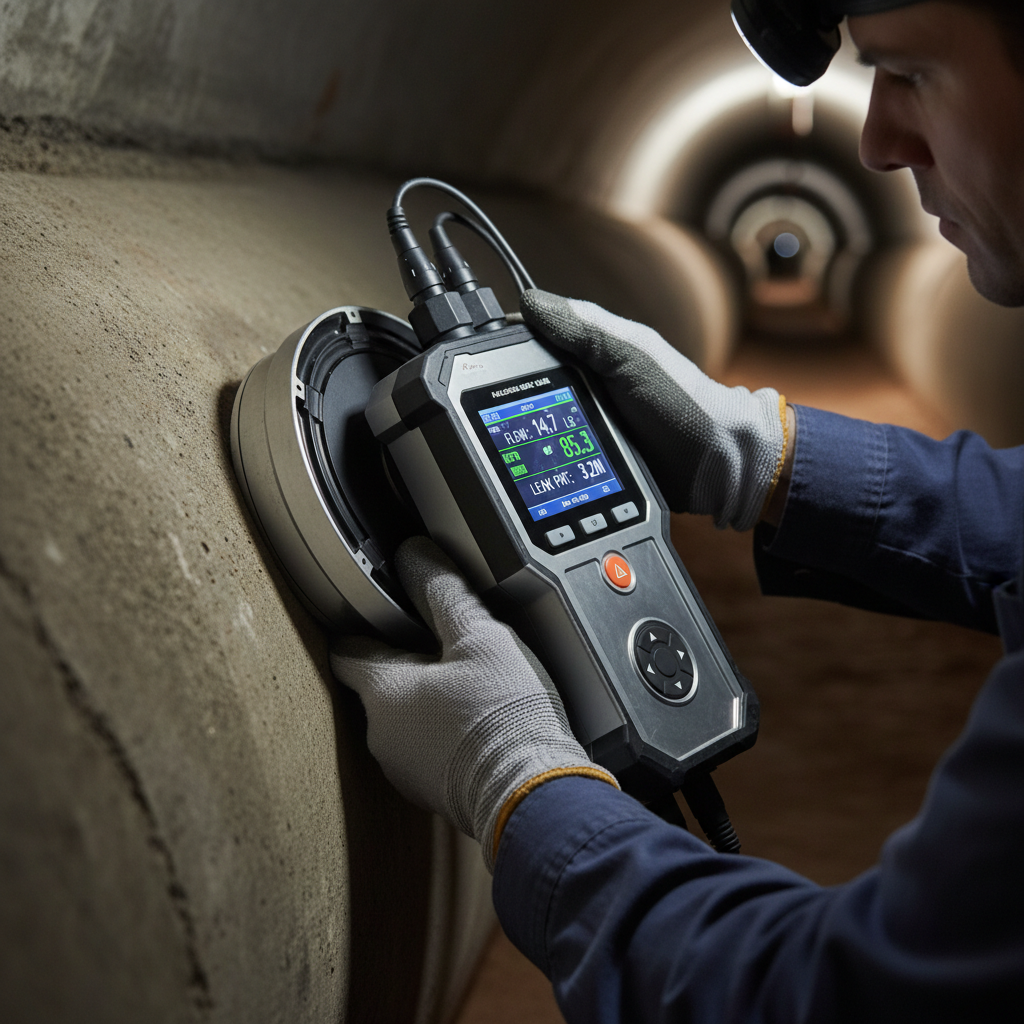
Subsea drones are making waves across various sectors. In the oil and gas industry, they are used to inspect pipelines, rigs, and underwater infrastructure, ensuring their integrity and functionality. This capability is crucial for preventing environmental disasters and maintaining operational efficiency.
Environmental organizations also leverage subsea drones to monitor marine ecosystems. By collecting data on water quality, coral health, and biodiversity, these drones contribute to conservation efforts and help researchers understand the impacts of climate change on the oceans.

Challenges and Innovations
Despite their advantages, subsea drones face challenges such as limited battery life and maneuverability in complex environments. However, ongoing innovations are addressing these issues, with advancements in battery technology and navigation systems enhancing the drones' capabilities.
Furthermore, the integration of artificial intelligence is set to revolutionize subsea drone operations. AI enables drones to process data in real-time, allowing for more accurate and efficient inspections. This technology also facilitates autonomous decision-making, reducing the need for constant human oversight.
The Future of Marine Projects
As subsea drone technology continues to evolve, its impact on marine projects will only grow. The ability to conduct detailed inspections safely and cost-effectively opens new possibilities for exploration and development in the world's oceans.
With advancements in AI and sensor technology, the future of subsea drones looks promising. These innovations will further enhance the accuracy, efficiency, and reach of underwater inspections, solidifying their place as a crucial tool in marine industries.