Exploring the Depths: How Subsea Drone Inspection Transforms Marine Safety
KZ
Introduction to Subsea Drone Inspection
In recent years, the use of subsea drones has revolutionized the way we approach marine safety. These advanced devices offer unparalleled access to underwater environments, ensuring that inspections are more efficient and less risky for human divers. As technology continues to evolve, subsea drone inspection is rapidly becoming an essential tool in maintaining the integrity of marine structures.
Why Subsea Drones Matter
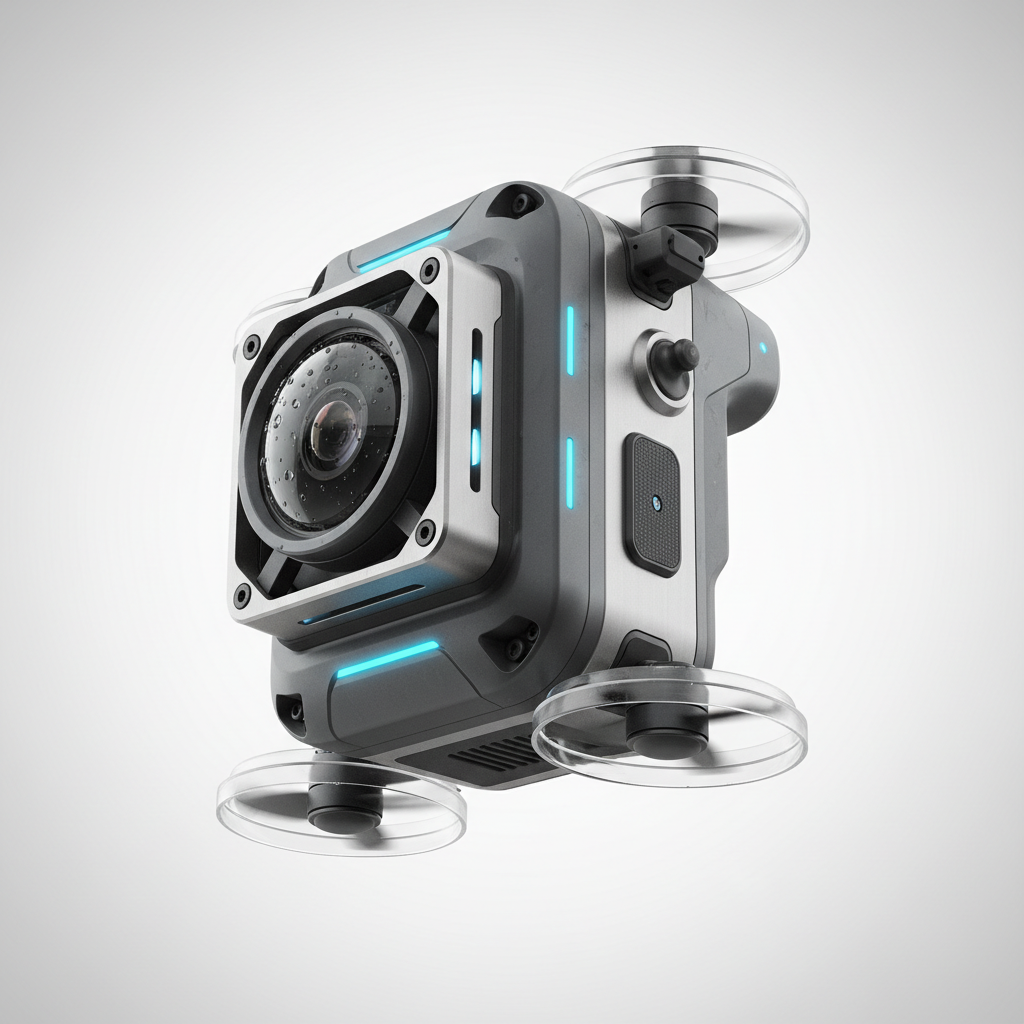
The traditional methods of underwater inspection often involve divers who face numerous hazards. Subsea drones, however, eliminate many of these risks, providing a safer and more effective way to explore the depths. Equipped with high-resolution cameras and advanced sensors, these drones can capture detailed images and data, allowing for comprehensive analysis of underwater conditions.
Subsea drones are particularly valuable in inspecting offshore installations such as oil rigs, pipelines, and wind farms. Their ability to access hard-to-reach areas and operate in harsh conditions makes them indispensable for maintaining the safety and functionality of these critical structures.
Key Benefits of Subsea Drone Inspection
The use of subsea drones offers numerous benefits, including:
- Cost-effectiveness: Deploying drones is often more economical than traditional diving operations.
- Safety: Drones reduce the need for human presence in dangerous underwater environments.
- Efficiency: Inspections can be conducted quickly, minimizing downtime for marine operations.
Technological Advancements in Subsea Drones
Modern subsea drones are equipped with cutting-edge technology that enhances their inspection capabilities. Features such as real-time data transmission, AI-powered analysis, and autonomous navigation are transforming how marine inspections are conducted. These advancements allow for immediate detection of potential issues, enabling swift response and mitigation strategies.
Furthermore, the integration of advanced mapping tools and 3D modeling provides a comprehensive view of underwater environments, facilitating more informed decision-making.
Applications in Various Industries
Subsea drone inspection is not limited to the oil and gas sector. Industries such as shipping, renewable energy, and environmental conservation are also benefiting from this technology. For instance, drones are used to monitor marine ecosystems, assess the impact of human activities, and aid in research efforts.
The Future of Marine Safety
As subsea drone technology continues to advance, we can expect even greater improvements in marine safety. The ongoing development of AI and machine learning algorithms will further enhance the ability of drones to conduct autonomous inspections, predict potential hazards, and provide actionable insights.
In conclusion, the adoption of subsea drone inspection represents a significant leap forward in ensuring the safety and sustainability of our marine environments. By embracing this technology, industries can protect both their investments and the natural world.