Expert Tips for Capturing Stunning Aerial Footage of Coastal Infrastructure
KZ
Understanding the Basics of Aerial Footage
Capturing stunning aerial footage of coastal infrastructure requires a blend of technical skill and creative vision. Before you begin, it's crucial to understand the basics of aerial photography and videography. Aerial footage provides a unique perspective, showcasing the intricate interplay between land and water. This perspective can highlight the beauty and complexity of coastal infrastructure, from bridges and ports to lighthouses and seawalls.
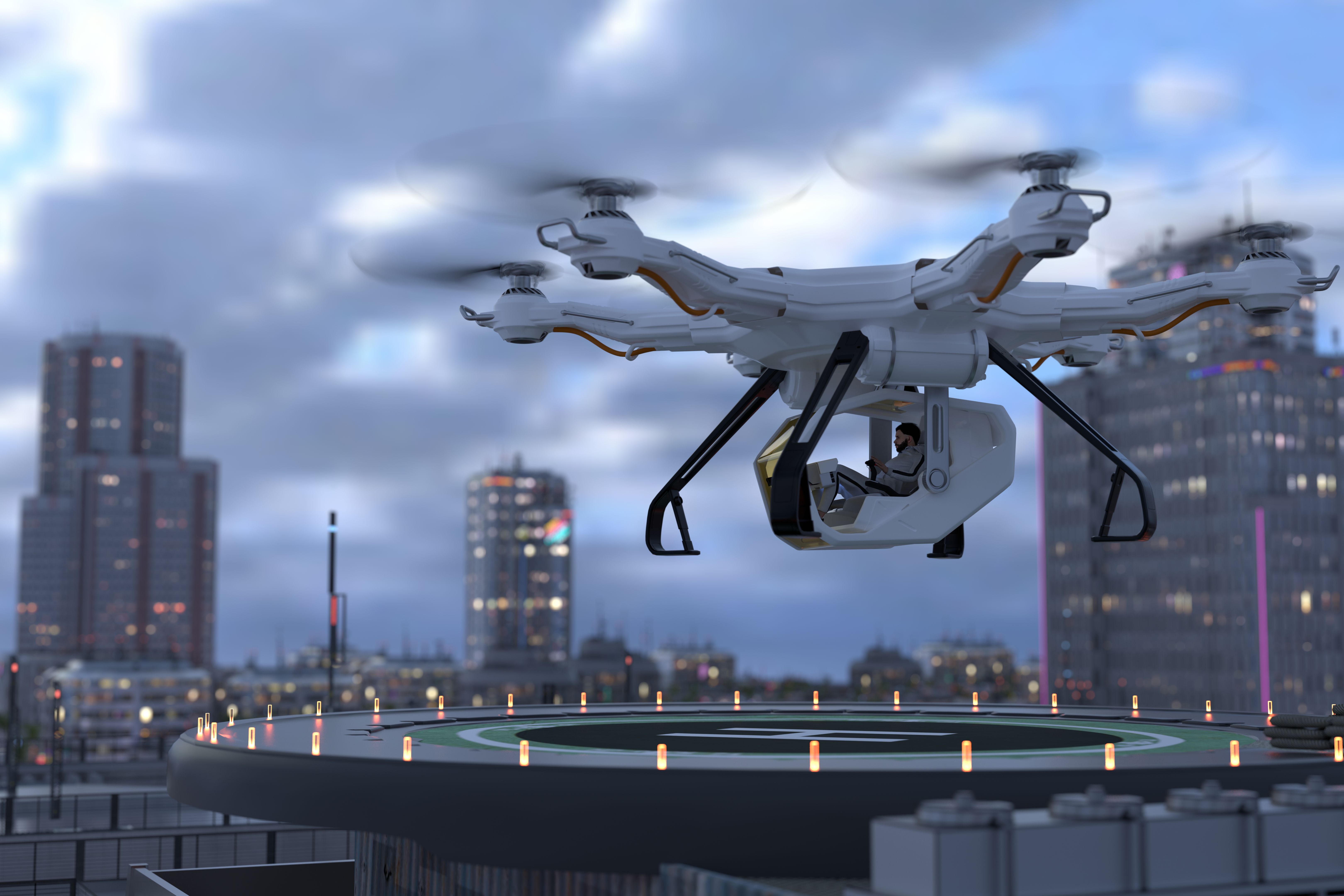
To get started, familiarize yourself with the equipment. Drones are the most common tools for aerial footage, offering flexibility and accessibility. Ensure your drone is equipped with a high-quality camera capable of capturing detailed images and videos. Understanding the settings on your drone's camera, such as resolution and frame rate, is essential for producing professional-grade footage.
Planning Your Shoot
Effective planning is critical when capturing aerial footage. Start by researching the location you intend to shoot. Coastal areas often have unpredictable weather conditions, so check the forecast and plan your shoot on a clear day with minimal wind. This not only ensures safety but also enhances the quality of your footage.
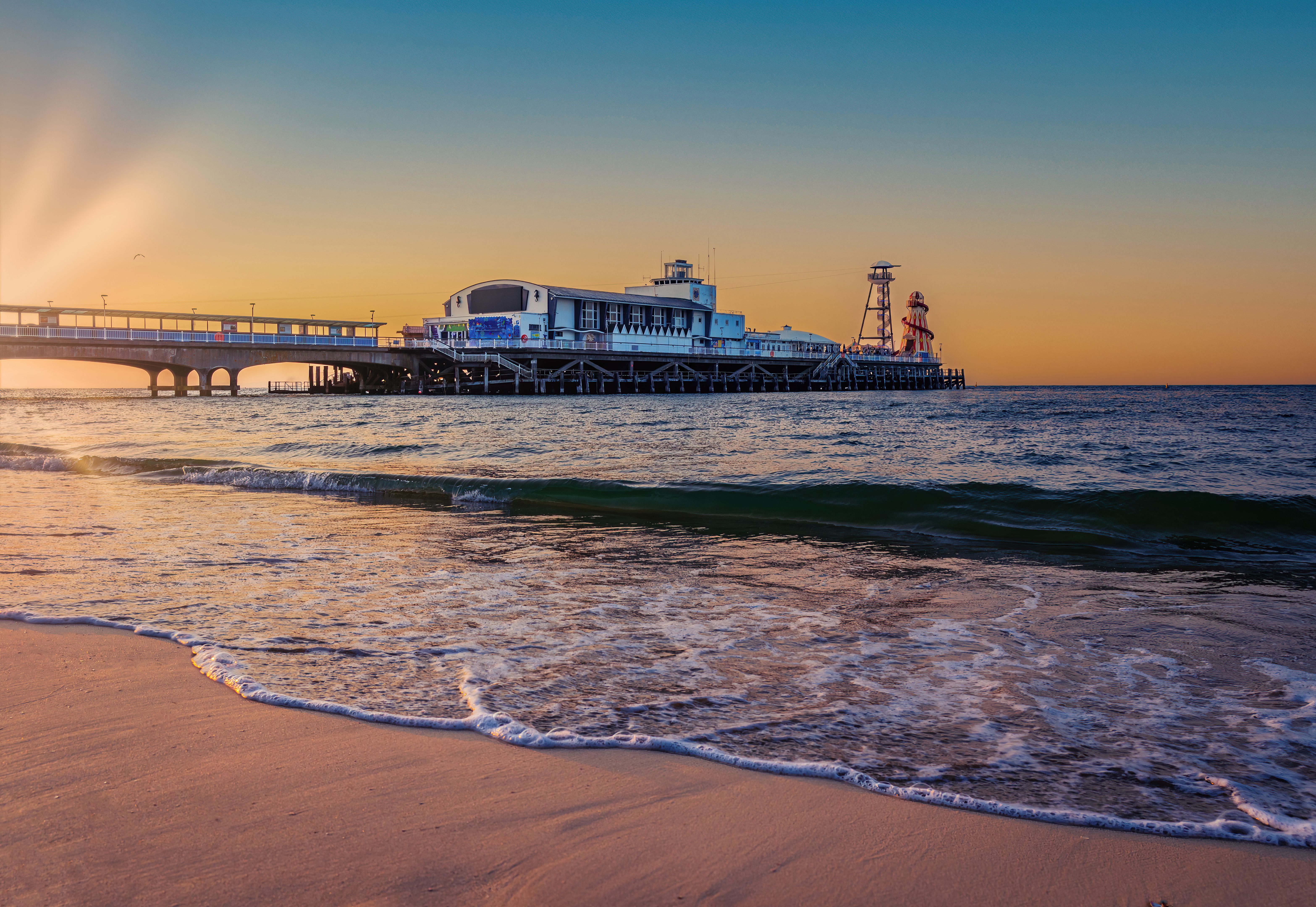
Next, consider the time of day. The golden hours—shortly after sunrise and before sunset—offer ideal lighting conditions for capturing stunning imagery. The soft, diffused light during these times reduces harsh shadows and enhances the natural beauty of the coastal landscape.
Executing the Perfect Shot
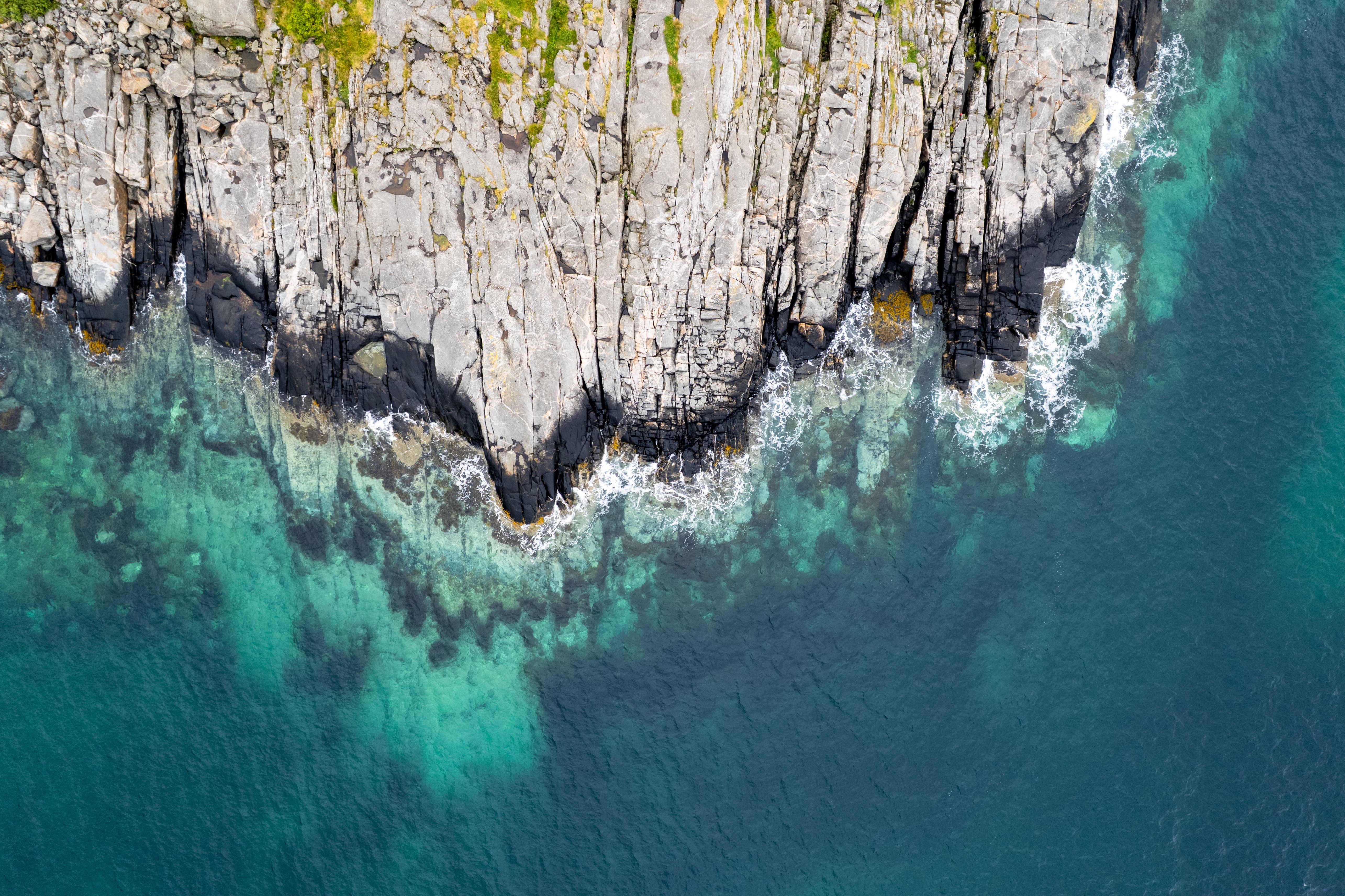
Once on location, it's time to execute your plan. Start by setting up your drone and conducting a pre-flight check to ensure everything is functioning correctly. When capturing footage, experiment with different angles and altitudes to find the most compelling perspectives. A higher altitude can provide a comprehensive overview of the infrastructure, while lower altitudes can highlight specific details.
Consider using a mix of shots to create a dynamic video. Incorporate wide shots to establish the setting and close-ups to focus on intricate details. Panning and tracking shots can add movement and keep your audience engaged. Remember, the key is to tell a story through your footage, capturing not just the infrastructure but its relationship with the surrounding environment.
Editing and Post-Production
The editing process is where your footage truly comes to life. Start by selecting the best clips and organizing them into a cohesive narrative. Use editing software to enhance colors, stabilize shaky footage, and adjust the speed of your clips to match the mood you want to convey.
Adding music and sound effects can further enhance your video. Choose a soundtrack that complements the visuals and evokes the desired emotions. Proper sound design can transform a good video into a stunning masterpiece, drawing viewers into the coastal world you’ve captured.
Ensuring Compliance and Safety
Before embarking on your aerial adventure, ensure you are compliant with local regulations. Different regions have varying laws regarding drone usage, especially in coastal areas where wildlife and environmental concerns may be prevalent. Always obtain the necessary permits and respect no-fly zones.
Safety should always be a top priority. Keep a safe distance from people, wildlife, and infrastructure to prevent accidents. Regularly maintain your equipment and stay informed about the latest safety protocols to ensure a smooth and successful shoot.
By following these expert tips, you can capture breathtaking aerial footage of coastal infrastructure that not only showcases the beauty of these structures but also tells a compelling story about their place in the natural landscape.