Expert Tips: Framing and Cutting Drone Footage for Maximum Visual Impact
KZ
Understanding the Basics of Drone Footage
Drone footage offers a unique perspective that can captivate viewers and elevate your visual storytelling. However, to truly maximize its impact, understanding the fundamentals of framing and cutting is essential. By mastering these techniques, you can transform raw footage into a compelling narrative.
One of the first steps in framing drone footage is to consider the rule of thirds. This classic photography principle can be applied to drone cinematography to create balanced and visually appealing shots. By placing key elements along the grid lines or intersection points, you ensure that the viewer's eye is naturally drawn to the most important parts of the scene.
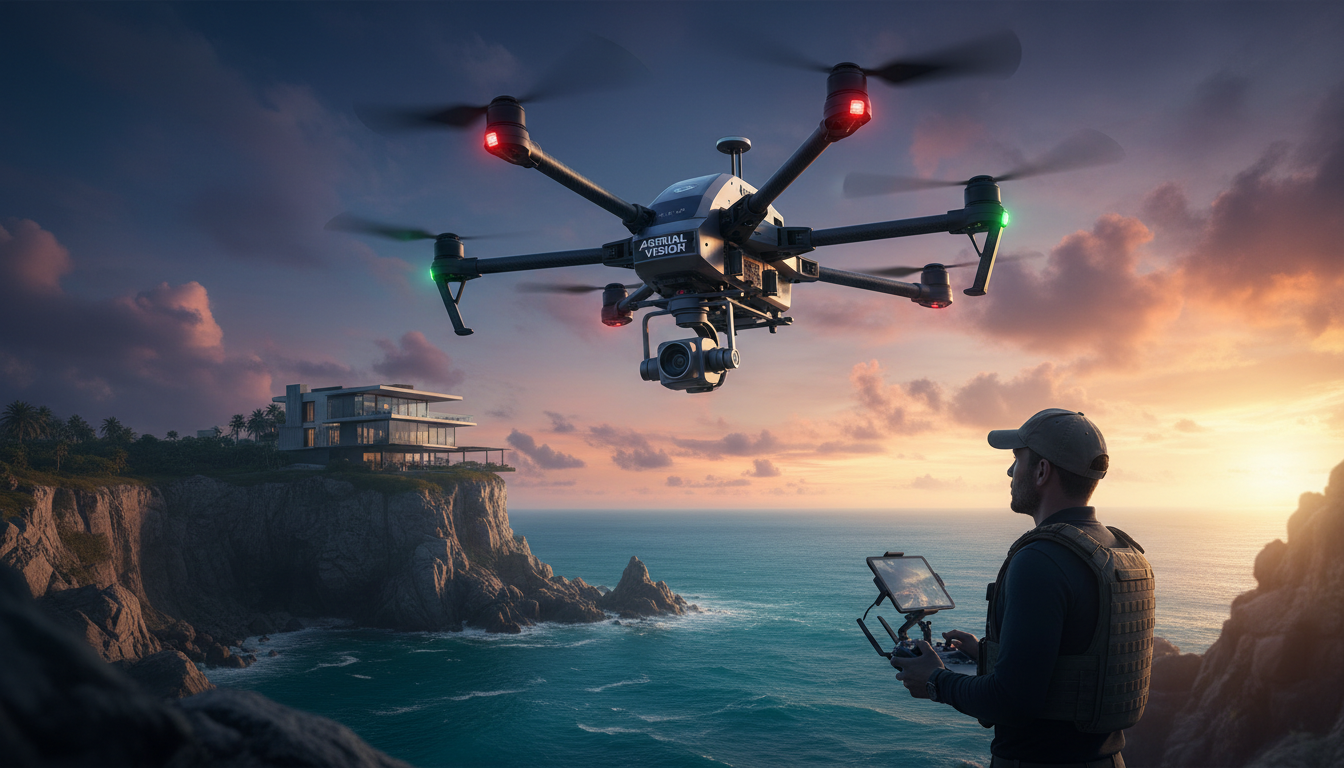
Mastering the Art of Framing
Framing is not just about positioning your drone; it’s about creating a story within your shot. Consider what you want to convey in each scene. Is it the vastness of a landscape or the intricate details of a cityscape? Adjust your framing to highlight these aspects.
Experiment with different angles and heights. Low angles can add drama and power, while high angles can emphasize scale and context. Don't be afraid to tilt or pan the camera to find the most dynamic composition.
Utilizing Natural Elements
Incorporating natural elements like leading lines, patterns, and textures can enhance the visual interest of your footage. Rivers, roads, and paths can act as guiding lines that lead the viewer’s eye through the frame, creating depth and movement.
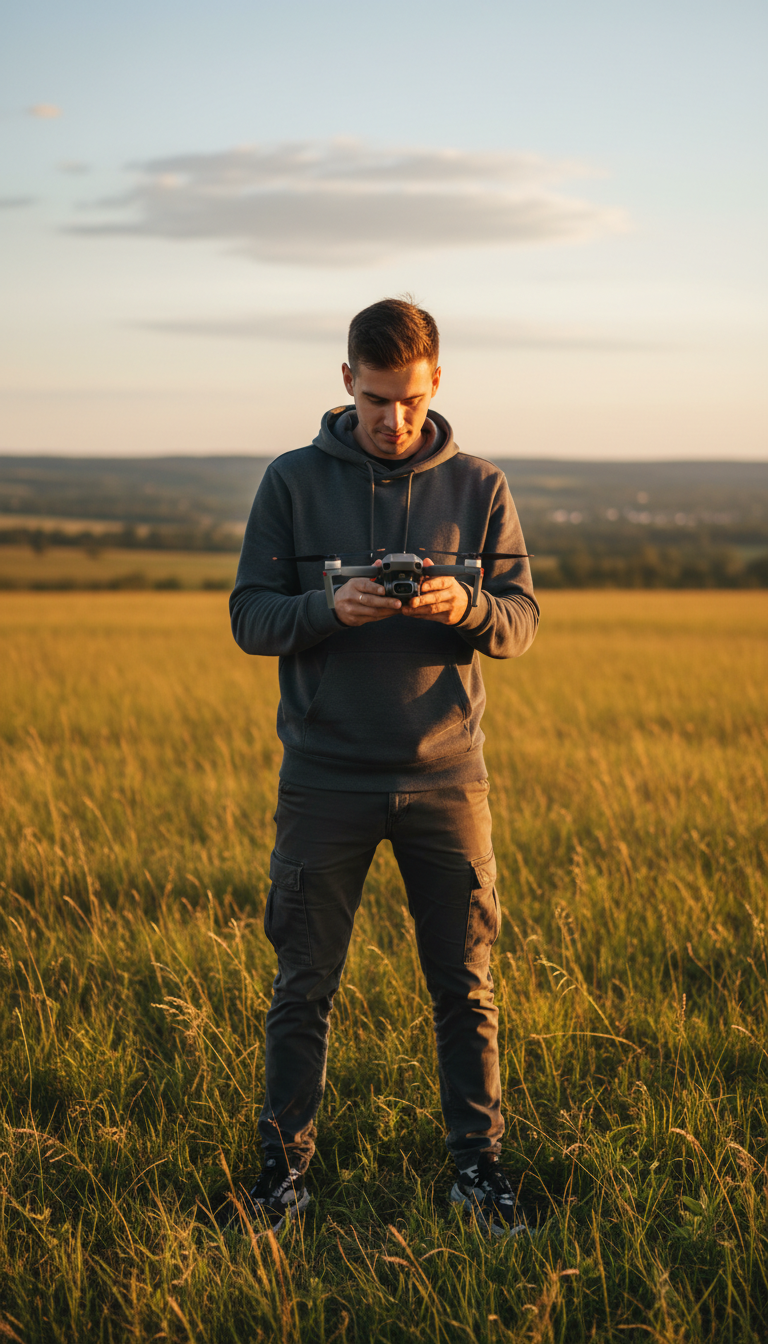
Effective Cutting Techniques
Once you've captured stunning footage, the next step is cutting it to create a seamless and engaging sequence. The art of cutting involves knowing when and where to trim clips to maintain flow and rhythm.
Start by identifying the most compelling moments in your footage. These should serve as the foundation of your narrative. Use cuts to transition between scenes smoothly, maintaining a consistent visual and emotional tone.
Maintaining Pacing and Rhythm
Pacing is crucial in keeping your audience engaged. Quick cuts can create excitement and urgency, suitable for action-packed scenes. Conversely, longer cuts can convey tranquility and reflection, ideal for serene landscapes.
Advanced Techniques for Maximum Impact
To take your drone footage to the next level, consider integrating advanced techniques such as color grading and effects. Color grading can enhance the mood and atmosphere, while subtle effects can add polish and professionalism.
Finally, always keep your audience in mind. What emotions do you want them to feel? How can your edits tell a more compelling story? By focusing on these questions, you ensure that every frame and cut serves a purpose in your visual narrative.
In conclusion, framing and cutting drone footage for maximum visual impact requires both technical skill and creative vision. By mastering these techniques, you can create breathtaking content that captivates and inspires.