Expert Insights: The Benefits of Subsea ROVs for Coastal Protection in Nyack
KZ
Understanding Subsea ROVs
Subsea Remotely Operated Vehicles (ROVs) are revolutionizing coastal protection strategies in Nyack and beyond. These underwater robots are designed to perform a variety of tasks, ranging from inspection to maintenance, all while being controlled remotely. Their versatility makes them an invaluable asset in preserving coastal environments.
ROVs are equipped with advanced technology that allows them to operate in challenging underwater conditions. They are capable of capturing high-resolution images, collecting data, and even performing minor repairs. This makes them an essential tool for environmental monitoring and protection efforts.
Key Benefits for Coastal Protection
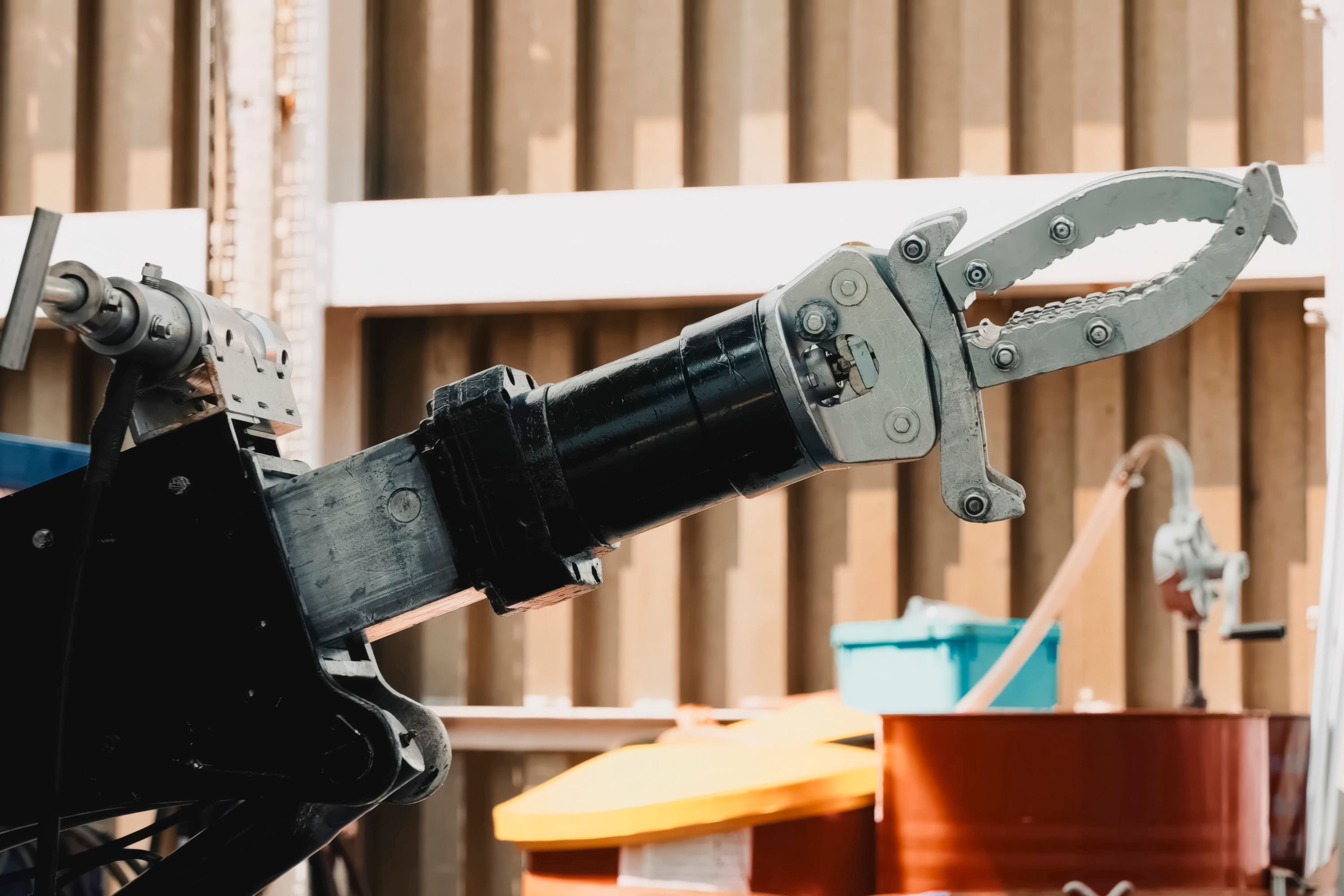
One of the primary benefits of using ROVs in coastal protection is their ability to access hard-to-reach areas. Traditional methods often involve divers, which can be risky and limited by depth and visibility. ROVs, on the other hand, can dive deeper and maneuver with precision, providing a safer and more efficient alternative.
Another significant advantage is the ability of ROVs to operate in harsh weather conditions. Coastal areas often experience unpredictable weather, making it challenging for human operators to conduct necessary inspections and maintenance. ROVs are unaffected by these conditions, ensuring that vital work continues uninterrupted.
Data Collection and Analysis
ROVs are equipped with sensors and cameras that enable detailed data collection. This data is critical for analyzing the health of marine environments and identifying potential threats. By providing real-time information, ROVs help in making informed decisions that contribute to effective coastal management strategies.
Cost-Effectiveness
Implementing ROVs for coastal protection in Nyack is not only beneficial for the environment but also cost-effective. While the initial investment in ROV technology may seem substantial, the long-term savings are significant. ROVs reduce the need for expensive and risky manned missions, lowering operational costs considerably.
Additionally, the ability to perform frequent and thorough inspections helps in early detection of potential issues, preventing costly damage and repairs. This proactive approach to coastal management ensures the sustainability of resources and financial investments.
Environmental Impact
The use of ROVs also contributes positively to environmental conservation efforts. By minimizing the need for human intervention, there is less disruption to marine life. ROVs operate quietly and efficiently, reducing noise pollution and physical disturbances that can harm sensitive ecosystems.
Furthermore, the data collected by ROVs aids in the development of conservation policies and strategies. By understanding the dynamics of coastal ecosystems, authorities can implement protective measures that ensure the long-term health and vitality of these environments.
Future Opportunities
As technology continues to advance, the capabilities of ROVs are expected to grow, offering even more opportunities for coastal protection. Innovations such as enhanced sensors, improved autonomy, and advanced data analytics will further improve the efficiency and effectiveness of ROVs in safeguarding coastal areas.
In conclusion, the integration of subsea ROVs in Nyack's coastal protection efforts represents a forward-thinking approach to environmental management. Their ability to provide safe, efficient, and cost-effective solutions makes them an indispensable tool in the fight to preserve our coastal ecosystems.