Comprehensive Guide to Drone Inspections for the Marine Industry
KZ
Understanding Drone Inspections in the Marine Industry
Drone inspections are becoming an integral part of the marine industry due to their efficiency and cost-effectiveness. These aerial devices provide a bird's-eye view, enabling detailed assessments of ships, offshore platforms, and other marine structures. By leveraging drone technology, companies can reduce operational downtime and enhance safety measures.

Benefits of Drone Inspections
The use of drones in the marine sector offers numerous advantages. Firstly, they allow for rapid data collection without the need for extensive human intervention. This reduces the risk to personnel and minimizes the time needed for inspections. Moreover, drones can access hard-to-reach areas, providing comprehensive coverage that traditional methods might miss.
Another significant benefit is cost reduction. Traditional inspection methods often require scaffolding, cranes, or helicopters, all of which are expensive and time-consuming. Drones eliminate these needs, leading to substantial savings.
Applications in the Marine Industry
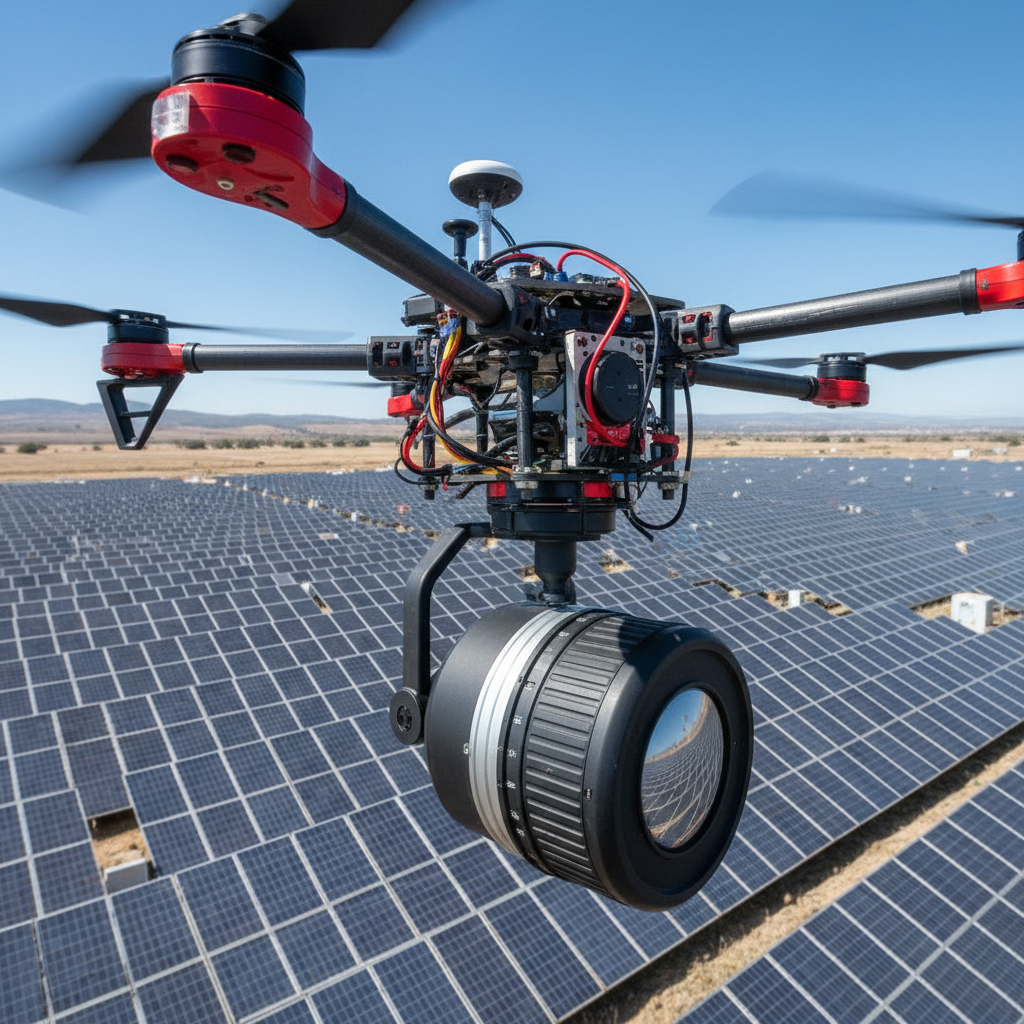
Drones are versatile tools with a wide range of applications in the marine industry. They are used for hull inspections, checking for corrosion, and assessing damage after severe weather events. Additionally, drones can monitor emissions and ensure compliance with environmental regulations.
Offshore platforms also benefit from drone technology. These structures require frequent inspections to ensure safety and operational efficiency. Drones can perform these tasks swiftly, providing real-time data to engineers and decision-makers.

Challenges and Considerations
While drones offer many benefits, there are challenges to consider. Weather conditions can significantly impact drone operations, especially in maritime environments where high winds and storms are common. It's crucial to have a robust plan in place to mitigate these risks.
Regulatory compliance is another critical factor. The marine industry must adhere to strict guidelines governing drone usage. Understanding these regulations is essential for successful deployment.
Future Trends in Drone Technology
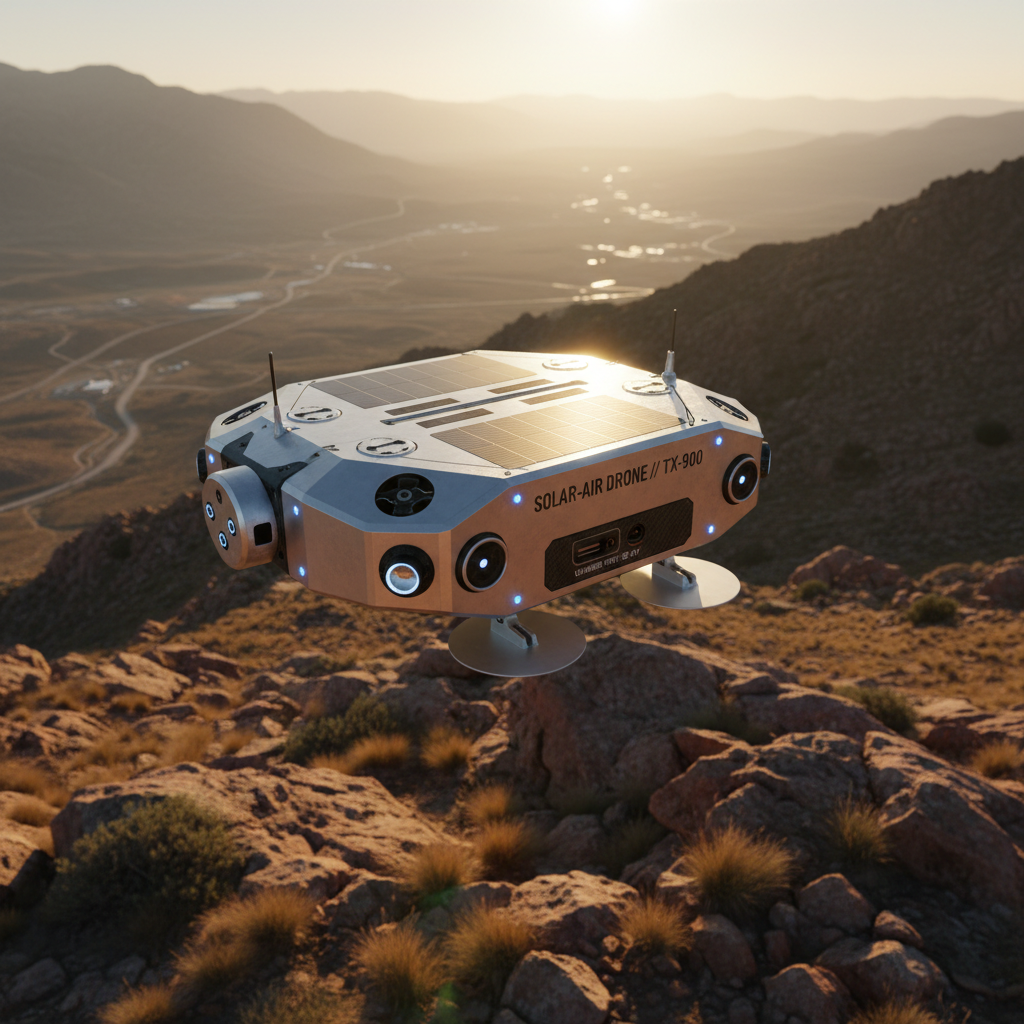
As technology evolves, drones are becoming more advanced, with features like AI-powered analytics and enhanced imaging capabilities. These innovations are set to further revolutionize the marine inspection process, making it more efficient and reliable.
Looking ahead, the integration of drones with other technologies, such as the Internet of Things (IoT) and big data analytics, will open new avenues for optimizing marine operations.
Conclusion
Drone inspections are transforming the marine industry by providing safer, faster, and more cost-effective solutions. As technology continues to advance, the potential for drones in maritime applications will only grow, offering exciting opportunities for innovation and improvement.
By embracing these changes, the marine industry can enhance its operational capabilities, ensuring a safer and more sustainable future.