Case Study: Transforming Urban Landscapes Through Drone Innovation
KZ
Introduction to Drone Innovation
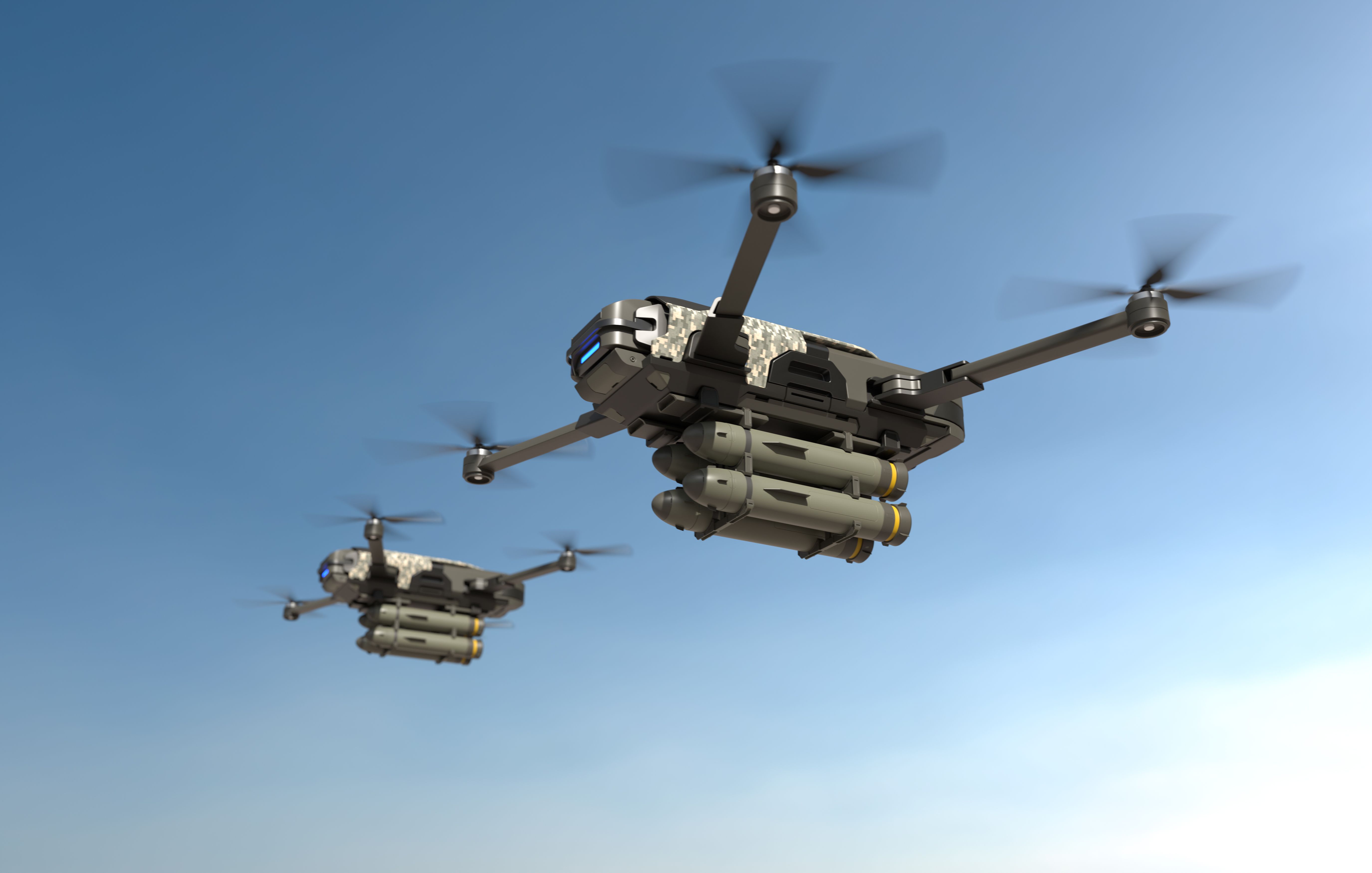
Drones have revolutionized various industries, and urban landscaping is no exception. The use of drones in transforming urban environments is gaining momentum, offering innovative solutions to age-old challenges. This case study explores how drone technology is making a significant impact on urban landscapes.
Enhancing Urban Planning and Design
One of the most significant advantages of using drones in urban landscaping is their ability to enhance planning and design. Drones provide aerial views that are invaluable for city planners and landscape architects. These views allow for a comprehensive understanding of the space and its potential, leading to more informed decisions.
With high-resolution cameras, drones can capture detailed images and videos, offering insights that were previously unattainable. This data helps in creating more efficient and aesthetically pleasing urban spaces.
Efficient Data Collection
Traditional methods of data collection in urban planning are often time-consuming and expensive. Drones, on the other hand, can swiftly gather data across large areas, significantly reducing the time and cost involved. This efficiency allows for more frequent updates, ensuring that urban planning is based on the most current information.

Improving Environmental Monitoring
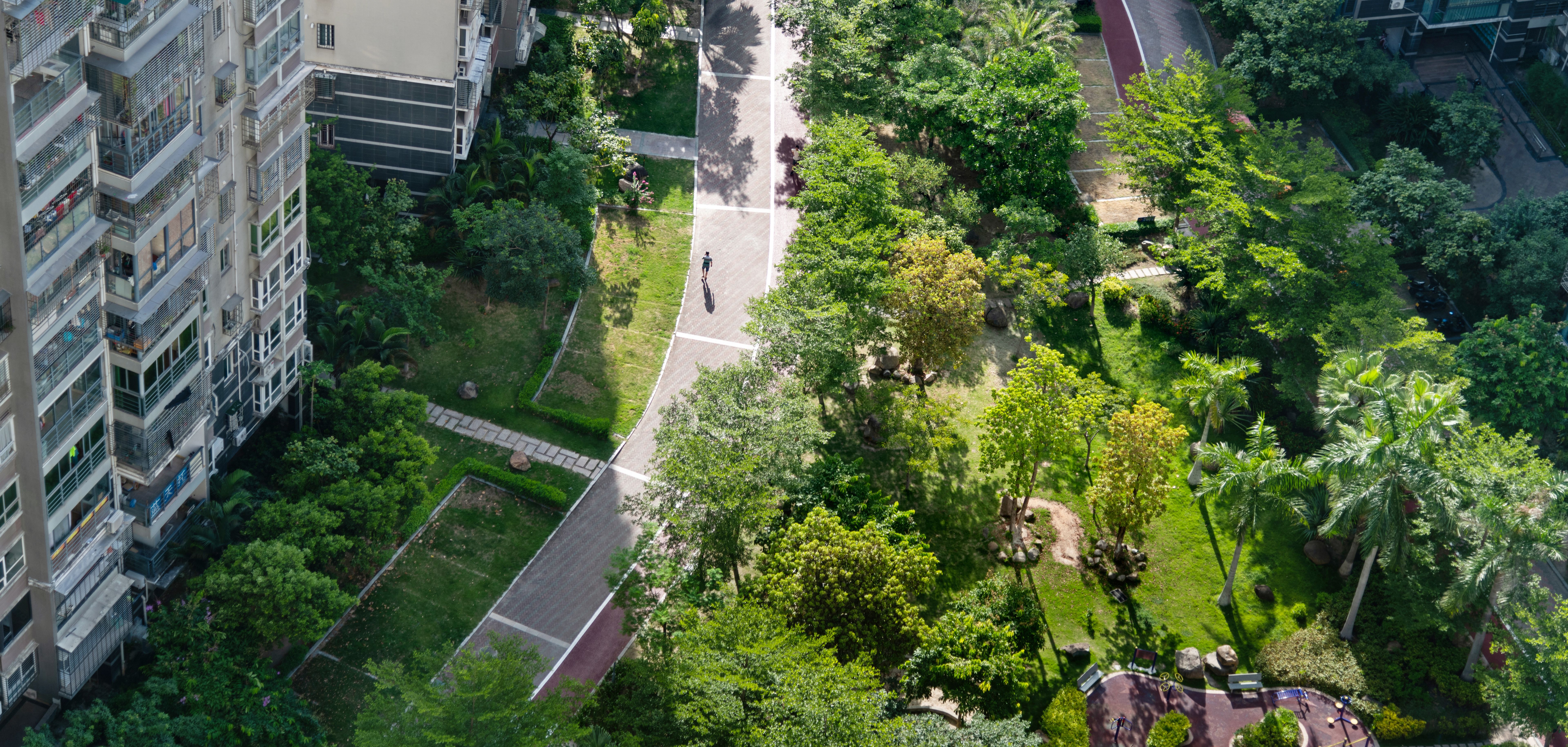
Drones are also playing a crucial role in environmental monitoring within urban settings. They can easily access hard-to-reach areas, providing vital information about air quality, vegetation health, and water bodies. This data is essential for maintaining sustainable urban environments.
By using drones equipped with specialized sensors, cities can monitor pollution levels and track changes in green spaces, helping to promote healthier urban living.
Supporting Green Initiatives
In addition to monitoring, drones support green initiatives by aiding in the planting of trees and vegetation. Specialized drones can disperse seeds over large areas, promoting reforestation and urban greening efforts. This technology accelerates the process of creating green spaces, which are crucial for improving urban air quality and providing recreational areas for residents.
Enhancing Public Safety and Security
Another significant application of drones in urban landscapes is enhancing public safety and security. Drones can be deployed to monitor public spaces, providing real-time data to law enforcement and emergency services. This capability ensures a quick response to incidents, improving overall public safety.
Furthermore, drones can be used for infrastructure inspections, checking the integrity of bridges, roads, and buildings. This proactive approach helps prevent accidents and ensures that urban infrastructure remains safe and functional.
Challenges and Considerations
While the benefits of drones in urban landscaping are clear, there are challenges to consider. Privacy concerns, regulatory restrictions, and the need for skilled operators are some of the hurdles that must be addressed to fully leverage drone technology in urban environments.
Conclusion
The integration of drones into urban landscaping represents a significant advancement in how cities are planned, monitored, and maintained. As technology continues to evolve, the potential for drones to transform urban landscapes will only grow. By addressing the current challenges, cities can harness the full potential of drones, leading to smarter, greener, and safer urban environments.