Case Study: Transforming Coastal Surveillance with Drones
KZ
Introduction to Coastal Surveillance Challenges
Coastal surveillance has long been a critical aspect of national security and environmental protection. Traditional methods often involve manned aircraft and ships, which can be costly and limited by weather conditions. Recently, the integration of drones has revolutionized this field, providing a more efficient and flexible approach.
The use of drones in coastal surveillance has emerged as a game-changer, offering enhanced capabilities in monitoring, data collection, and response time. Let's delve into a case study that highlights the transformative impact of drones on coastal surveillance operations.
Innovative Drone Solutions
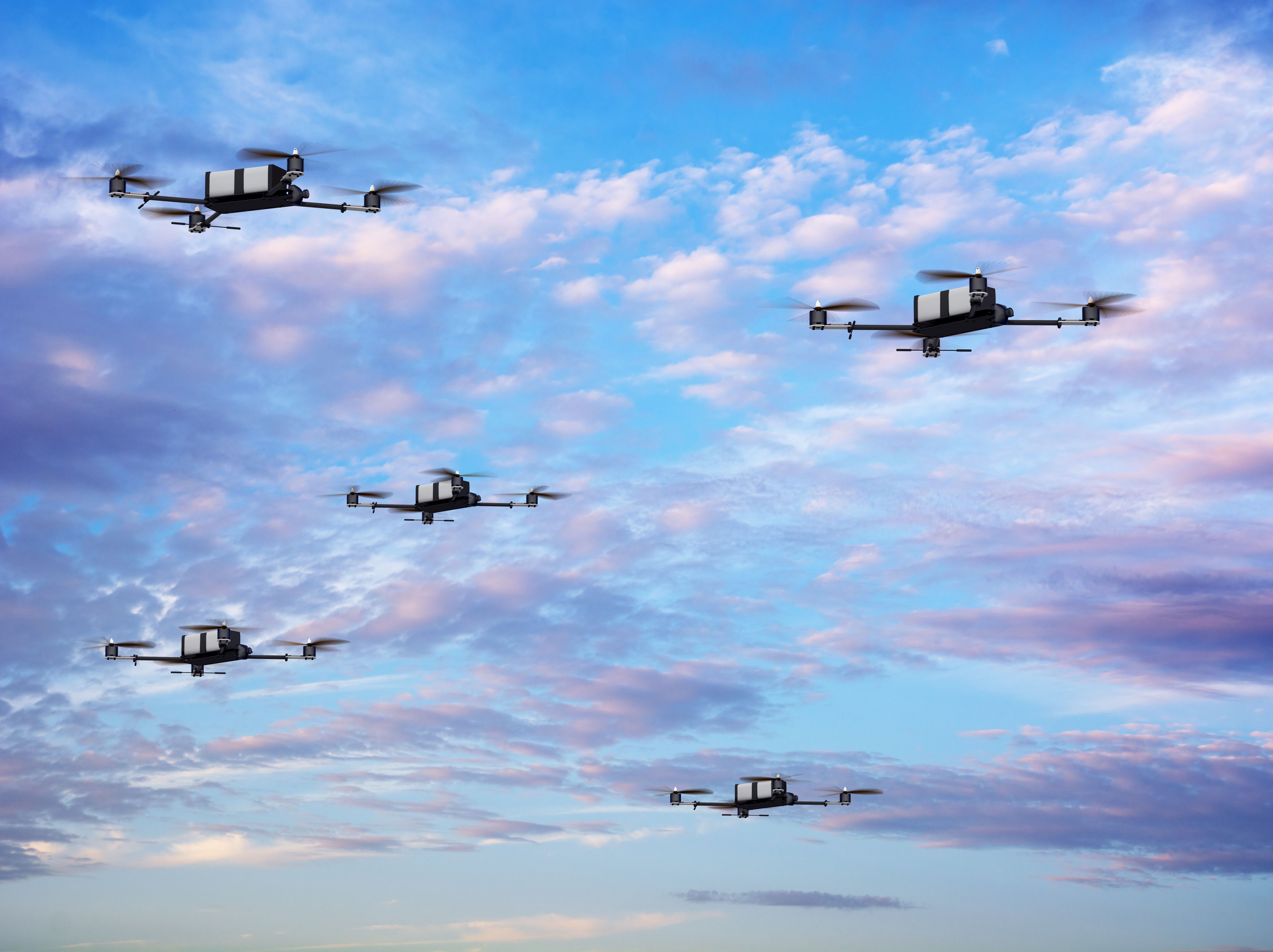
With advancements in technology, drones now come equipped with high-resolution cameras, thermal imaging, and GPS systems that significantly enhance surveillance activities. These features enable drones to cover vast areas quickly, capturing detailed and accurate data.
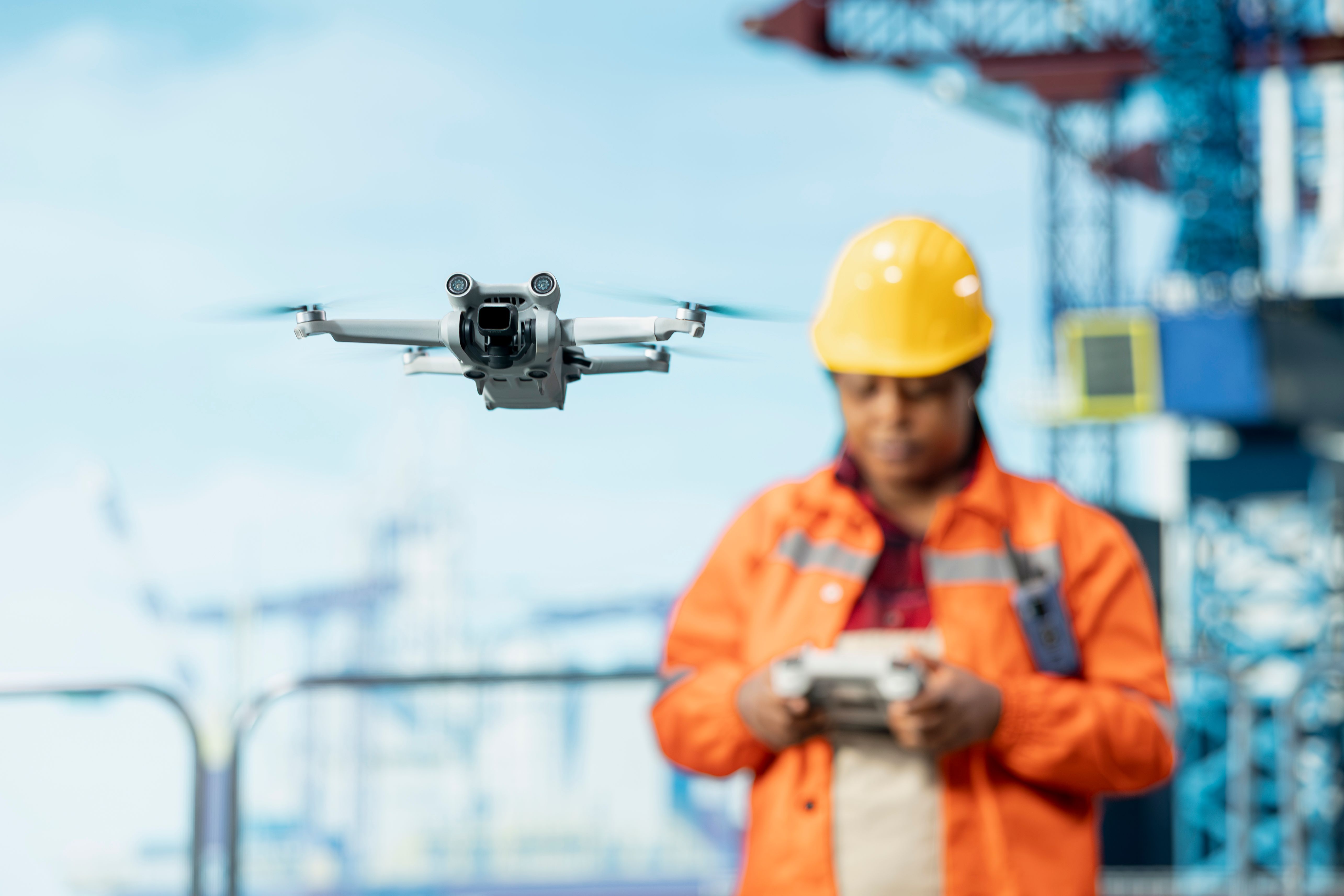
The case study focuses on a coastal region that faced persistent challenges in monitoring illegal fishing activities and pollution. By deploying drones, authorities could gather real-time data and respond promptly to any suspicious activities.
Benefits of Drone Integration
The integration of drones into coastal surveillance has provided numerous benefits:
- Cost-Effectiveness: Drones reduce the need for manned patrols, cutting down operational costs.
- Enhanced Coverage: They can cover areas that are difficult to access, ensuring comprehensive surveillance.
- Real-Time Data: Immediate data transmission allows for quick decision-making.
Challenges and Solutions
Despite the advantages, integrating drones into coastal surveillance isn't without challenges. Technical issues such as limited flight time and weather dependency can affect operations. However, continuous advancements in drone technology are addressing these concerns.
Innovations in battery life and the development of weather-resistant drones are gradually overcoming these hurdles, ensuring that drones remain a reliable tool in coastal surveillance.
Impact on Environmental Protection
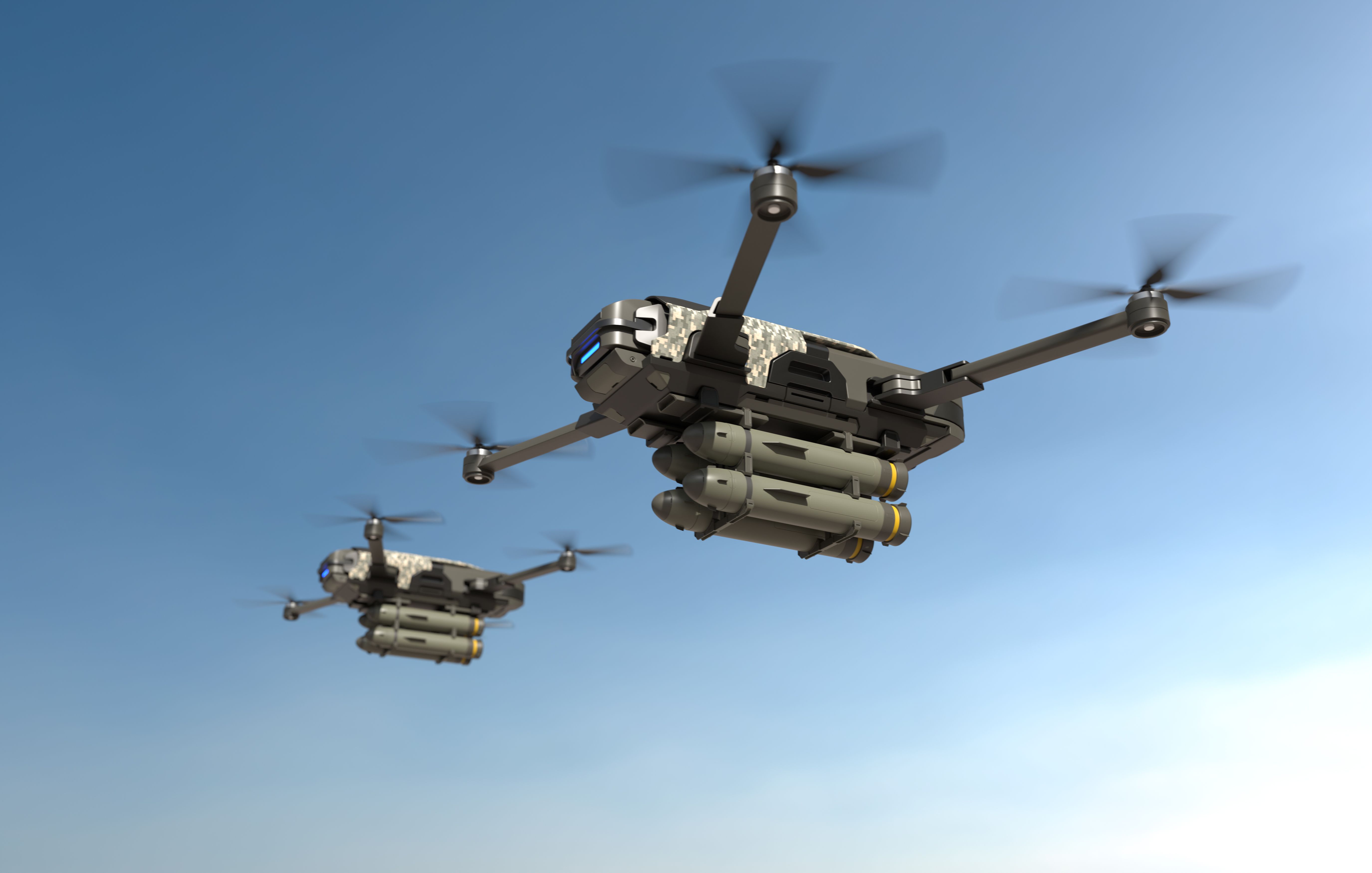
Drones have also significantly contributed to environmental protection efforts. By monitoring pollution levels and tracking wildlife, they provide essential data that aids in conservation strategies.
In the case study, drones helped identify illegal waste disposal sites, enabling authorities to take swift action and prevent further environmental damage. This proactive approach underscores the importance of drones in safeguarding our coastal ecosystems.
Future Prospects
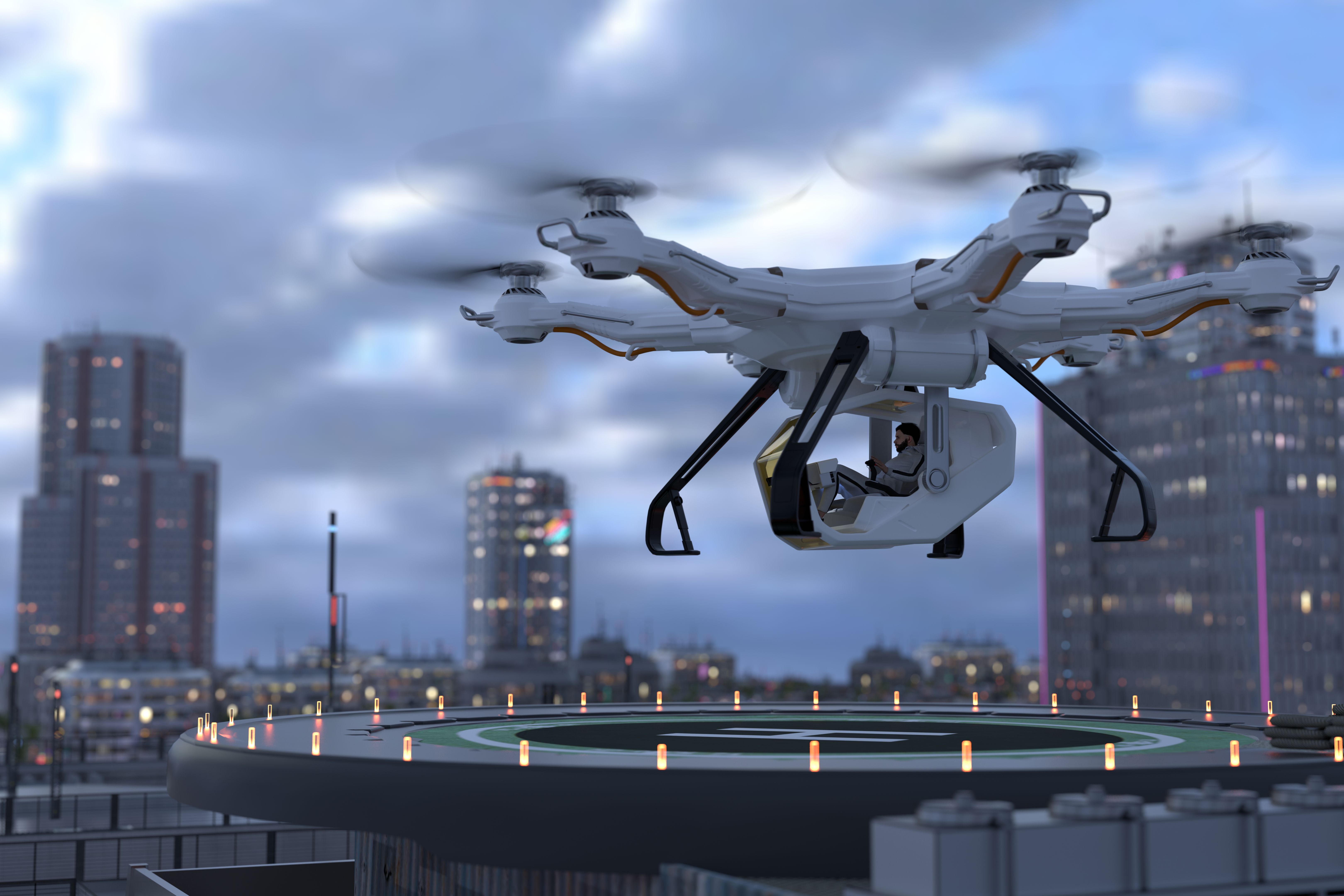
The future of coastal surveillance with drones looks promising. As technology continues to evolve, we can expect even more sophisticated drones capable of performing complex tasks autonomously.
Collaborations between government agencies and tech companies are likely to drive further innovations, ensuring that drones remain at the forefront of coastal surveillance efforts.
Conclusion
In conclusion, the integration of drones into coastal surveillance has transformed the way authorities monitor and protect coastal regions. This case study illustrates the significant impact drones have had in enhancing surveillance capabilities, reducing costs, and improving response times.
As we look to the future, the continued innovation and application of drone technology promise to further secure and preserve our coastal environments.