Capturing Coastal Beauty: The Role of Drones in Marine Conservation
KZ
The Rise of Drones in Marine Conservation
In recent years, drones have become an invaluable tool in marine conservation. Their ability to capture stunning aerial views and collect critical data has revolutionized how researchers and conservationists monitor and protect coastal ecosystems. By providing a bird's-eye view of the ocean and shoreline, drones offer unique perspectives that were previously difficult or impossible to achieve.
The use of drones in marine conservation is not only about capturing breathtaking images but also about enhancing our understanding of marine environments. These devices can reach remote locations and gather data without disturbing wildlife, making them an ideal tool for studying delicate ecosystems.
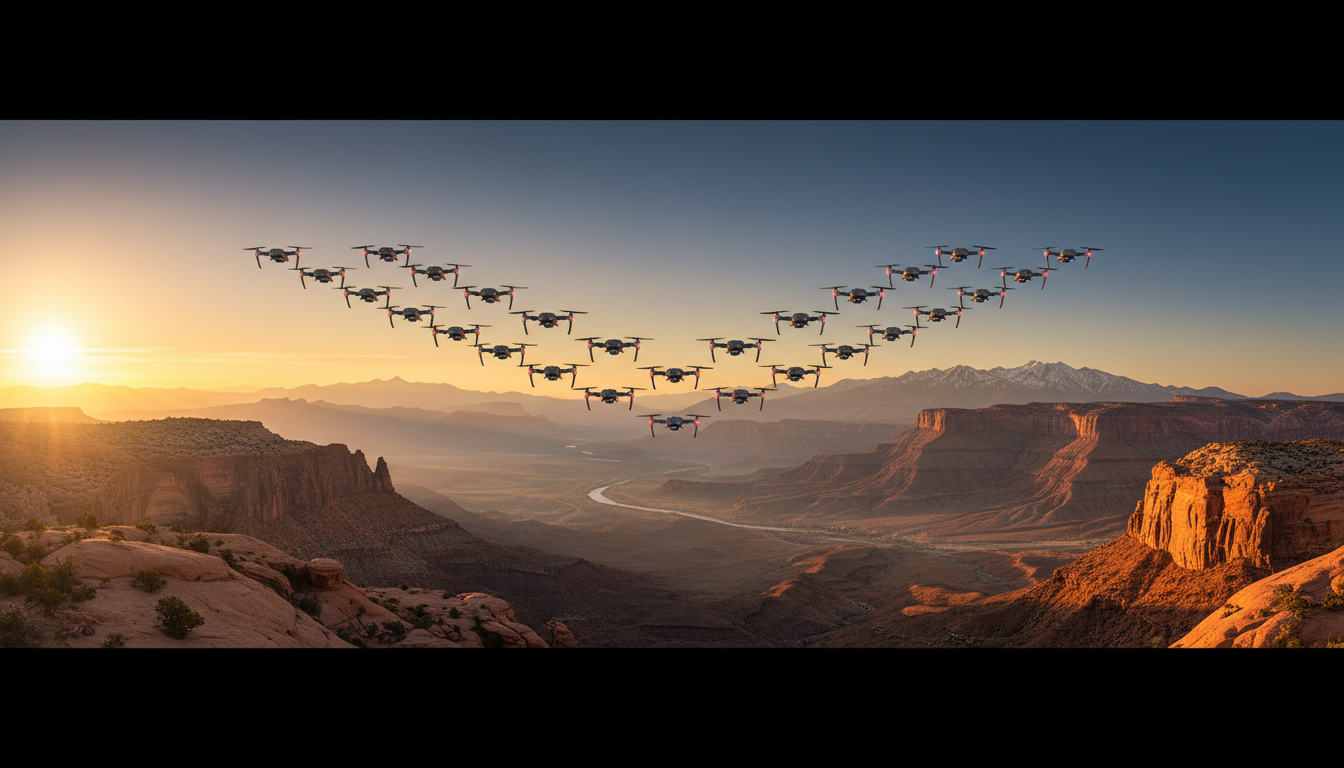
Monitoring Marine Life and Habitats
Drones have proven particularly effective in monitoring marine life and their habitats. They can be equipped with high-resolution cameras and sensors to track animal movements, population sizes, and behaviors. For example, drones can observe whale migrations, track sea turtle nesting activities, and monitor coral reef health—all without intrusive human presence.
This non-invasive approach is crucial for preserving the natural behaviors of marine animals. Instead of relying on boats or divers, which can stress wildlife, drones offer a silent and unobtrusive way to gather essential information.
Mapping and Analyzing Coastlines
Coastal erosion, rising sea levels, and habitat destruction are pressing issues that threaten marine ecosystems. Drones play a vital role in mapping and analyzing coastlines, allowing researchers to understand these challenges better and develop effective solutions.

Through aerial imagery and 3D mapping, drones can provide detailed topographical data, helping scientists assess changes in the landscape over time. This information is crucial for planning conservation efforts and protecting vulnerable coastal areas.
Citizen Science and Public Engagement
Drones are also fostering citizen science initiatives, enabling the public to engage directly with marine conservation. By participating in drone-based projects, volunteers can contribute valuable data and raise awareness about the importance of protecting our oceans.
These initiatives often involve community members in activities such as beach clean-ups, wildlife monitoring, and educational workshops. By using drones, people can witness the beauty and fragility of marine ecosystems firsthand, inspiring greater environmental stewardship.
Challenges and Future Prospects
Despite the numerous benefits, the use of drones in marine conservation is not without challenges. Issues such as regulatory restrictions, privacy concerns, and the need for specialized training can limit their deployment. However, as technology continues to advance, these hurdles are becoming more manageable.
Looking ahead, the role of drones in marine conservation is expected to grow. Innovations in drone technology, such as improved battery life and AI integration, will enhance their capabilities and expand their applications in conservation efforts.
In conclusion, drones are transforming the field of marine conservation by providing new ways to explore, understand, and protect our coastal environments. As we continue to harness their potential, drones will undoubtedly play a crucial role in ensuring the health and sustainability of our oceans for future generations.